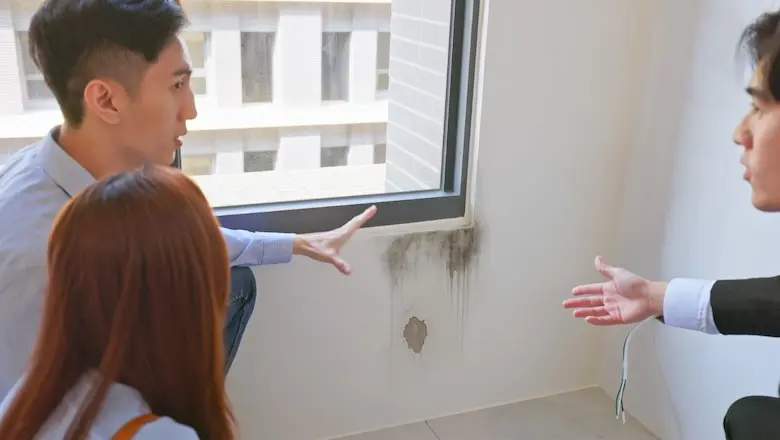
Does Homeowners Insurance Cover Mold? What You Need to Know

Mold growth in your home is a serious concern. Not only can it lead to health problems and structural damage, but it may also require expensive home repairs. If you’ve found mold in your walls or basement, you may be wondering, “Does homeowners insurance cover mold removal?” The answer largely depends on what caused the mold to grow and how long it’s been lurking in your home.

Here’s a closer look at when homeowners insurance covers mold, when it doesn’t, and how to file a claim for reimbursement.

Key Points

•   Homeowners insurance generally covers mold damage from sudden, accidental water-related incidents.

•   Keeping current with maintenance and promptly repairing leaks can forestall mold growth.

•   To file an insurance claim, document mold damage and report it quickly.

•   Keep receipts to confirm your expenses when you file your claim.

•   For an additional cost, you can get more extensive coverage by adding flood or sump pump riders.

When Homeowners Insurance Covers Mold Damage

Homeowners insurance covers mold damage if it’s been caused by a “covered peril” listed in your policy. Some examples are:

•   A burst pipe

•   A broken water heater

•   An overflowing appliance, such as a washing machine or dishwasher

•   Water damage that came from extinguishing a fire

Let’s say, for example, your dishwasher starts malfunctioning and water leaks into your kitchen. If this leak causes black mold to grow on the floor, your homeowners insurance policy may cover the black mold’s removal charges and some or all of the floor replacement cost.

In addition to the mold being traced to a covered peril, the water damage must be a sudden and accidental occurrence. If the mold has been growing for a long time due to lax home maintenance, its removal probably wouldn’t be covered by homeowners insurance.

Homeowners insurance also won’t cover the appliance if it breaks down due to general wear and tear. If you’re looking for appliance coverage, consider a home warranty.

Recommended: Are Home Warranties Worth It?

When Homeowners Insurance Does Not Cover Mold Damage

In general, homeowners insurance doesn’t cover mold damage if it’s due to long-term neglect or deterioration. If the mold grew as a result of poor ventilation in your bathroom, for instance, the insurance company will likely consider it a preventable maintenance issue and not provide coverage.

Here are some instances when homeowners insurance doesn’t cover mold remediation:

•   Lack of regular upkeep: Homeowners insurance doesn’t cover plumbing issues that are the result of slow leaks or a lack of routine maintenance. Similarly, insurance won’t cover mold damage that stems from neglect or negligence. For instance, it wouldn’t cover mold that came from a leaky faucet you didn’t fix or rainwater that got inside because you left a window open.

•   Construction defects: You’ll also be out of luck if the mold grew due to leaks from poor construction, repairs, or building materials.

•   Flooding: A standard homeowners insurance policy doesn’t include flooding, though you can buy a separate flood insurance plan. Be aware that standard National Flood Insurance Program policies don’t cover mold damage.

•   Sump pump failure: A sump pump drains water away from your property, but if it fails, your basement might flood. When mold damage results from a broken sump pump, a homeowners policy usually won’t cover that. But if you have purchased optional sump pump and water backup coverage as an add-on, such homeowners policy options might cover mold from a sudden sump pump failure, broken drain, or backed-up sewer line.

Read over the fine print of your policy to understand whether your homeowners insurance covers mold. If you opt for flood or sump pump riders, expect these add-ons to increase your monthly homeowners insurance policy costs.

Preventing Mold Damage in Your Home

Mold can damage the structure of your home and be a hazard to your health. Here are a few tips to prevent it from spreading in your house.

•   Routinely inspect pipes, faucets, and appliance hoses and fix any leaks as soon as possible.

•   Clean bathroom tile and other non-porous surfaces with bleach or another mold-killing product.

•   Use dehumidifiers or air conditioners in your home to reduce humidity.

•   Install exhaust fans in your kitchen and bathrooms to improve ventilation.

•   Get rid of carpet in areas that tend to get damp, like your basement or bathrooms.

•   Look for leaks in your roof or water in your attic regularly.

•   Clean out your gutters and make sure they drain rainwater away from your house.

•   Seal doors and windows to keep moisture out of your home.

•   Clean up spills or water damage right away, and let areas dry out completely before you replace a wall, flooring, or other material.

Controlling moisture in your home with regular maintenance and repairs can reduce the risk of mold. If you need medical coverage for mold-related health problems, you may want to check out this guide to health insurance.

How to File a Mold Claim

If you need to file a mold claim, contact your insurance company right away. You’ll also want to address the mold issue as soon as possible to prevent spread. Here are some steps you’ll need to take.

•   Stop the leak right away: If a pipe bursts, shut off the main water valve to prevent more water from leaking into your home. Cover up holes in your roof or other damaged areas that are letting water into your home.

•   Take photos of everything: Document the damage with photos and videos to provide evidence when you submit your claim.

•   Dry up the affected areas: Clean up mold-infested areas and use a fan or dehumidifier to get rid of moisture. Remove the wet carpet and dry the items that got soaked. Certain cleaning products, including vinegar, can help combat mold growth.

•   File your mold claim: Some insurance companies let you file online, over the phone, or via mobile app. Contact your insurance provider if you’re unsure about how to file your claim or have other questions about how thoroughly your homeowners insurance covers black mold.

•   Keep your receipts: If you paid to make repairs or relocate damaged items, keep your receipts to file for insurance reimbursement. Your insurance provider may also help you find professional cleanup specialists in your area, such as a water removal contractor or mold remediation company.

Since insurance companies typically don’t cover mold that’s due to neglect or long-term moisture, you must show that a sudden covered event led to the mold in your home and that you tried to mitigate the damage. By documenting your cleanup efforts, you can show that the mold was unavoidable. That evidence should increase your chances of claim approval.

The Takeaway

Mold can cause serious home and health problems if left unchecked. It isn’t always possible to avoid it completely, especially after random occurrences like the bursting of a pipe. Your homeowners insurance policy may cover mold removal or home repairs. As a rule of thumb, if the mold is the result of a sudden covered event, you may be reimbursed. If the mold came about due to a long-term leak or other issue, you’ll probably have to shoulder the costs.

When the unexpected happens, it’s good to know you have a plan to protect your loved ones and your finances. SoFi has teamed up with some of the best insurance companies in the industry to provide members with fast, easy, and reliable insurance.


Find affordable auto, life, homeowners, and renters insurance with SoFi Protect.

FAQ

Is mold caused by a leaky roof covered by insurance?

Mold caused by a leaky roof may be covered by insurance if it was caused by a “covered peril” in your homeowners insurance policy. For instance, you may have coverage if the leaky roof was caused by hail damage, a fallen tree, or a fire. If the leaky roof was due to regular wear and tear, however, then your insurance wouldn’t cover the resultant mold (or the damaged roof).

How expensive is mold removal?

Mold removal typically costs $10 to $25 per square foot, according to Angie’s List. This Old House estimates that mold remediation should cost $1,500 to $9,000 and puts the average cost at $3,500.

Does my policy pay for mold testing or inspection?

Your homeowners insurance policy may pay for mold testing and inspection if the mold came about as a result of a covered peril, such as a burst pipe or other sudden water damage. You’ll have to check your specific policy to find out how much it covers toward mold testing, inspection, and remediation.

Are health problems caused by mold covered?

Homeowners insurance doesn’t cover a policyholder’s mold-related health problems, but it may pay for someone else’s medical bills if they were injured on your property. This “medical payment to others” coverage, also known as Coverage F, can pay for someone’s doctor visits, hospital stays, and other medical care they needed due to a covered incident in or near your home.

Why is mold coverage so limited by insurance companies?

Insurance companies limited their mold coverage in the early 2000s after several high-profile lawsuits required major payouts from the insurance industry. To cut costs, they revised their policies to cover only mold caused by sudden, accidental events, rather than long-term neglect or wear and tear. Homeowners insurance is now generally designed to cover sudden accidents rather than problems that arise due to a lack of maintenance.


photo credit: iStock/PonyWang
Auto Insurance: Must have a valid driver’s license. Not available in all states.
Home and Renters Insurance: Insurance not available in all states.
Experian is a registered trademark of Experian.
SoFi Insurance Agency, LLC. (“”SoFi””) is compensated by Experian for each customer who purchases a policy through the SoFi-Experian partnership.

This content is provided for informational and educational purposes only and should not be construed as financial advice.

Financial Tips & Strategies: The tips provided on this website are of a general nature and do not take into account your specific objectives, financial situation, and needs. You should always consider their appropriateness given your own circumstances.

Third-Party Brand Mentions: No brands, products, or companies mentioned are affiliated with SoFi, nor do they endorse or sponsor this article. Third-party trademarks referenced herein are property of their respective owners.

Terms and conditions apply. SOFI RESERVES THE RIGHT TO MODIFY OR DISCONTINUE PRODUCTS AND BENEFITS AT ANY TIME WITHOUT NOTICE. To qualify, a borrower must be a U.S. citizen or other eligible status, be residing in the U.S., and meet SoFi's underwriting requirements. Not all borrowers receive the lowest rate. Lowest rates reserved for the most creditworthy borrowers. If approved, your actual rate will be within the range of rates at the time of application and will depend on a variety of factors, including term of loan, evaluation of your creditworthiness, income, and other factors. If SoFi is unable to offer you a loan but matches you for a loan with a participating bank, then your rate may be outside the range of rates listed above. Rates and Terms are subject to change at any time without notice. SoFi Personal Loans can be used for any lawful personal, family, or household purposes and may not be used for post-secondary education expenses. Minimum loan amount is $5,000. The average of SoFi Personal Loans funded in 2023 was around $33K. Information current as of 2/26/24. SoFi Personal Loans originated by SoFi Bank, N.A. Member FDIC. NMLS #696891 (www.nmlsconsumeraccess.org). See SoFi.com/legal for state-specific license details. See SoFi.com/eligibility for details and state restrictions.

✝ To check the rates and terms you may qualify for, SoFi conducts a soft credit pull that will not affect your credit score. However, if you choose a product and continue your application, we will request your full credit report from one or more consumer reporting agencies, which is considered a hard credit pull and may affect your credit.


SOPRO-Q225-040
Read more

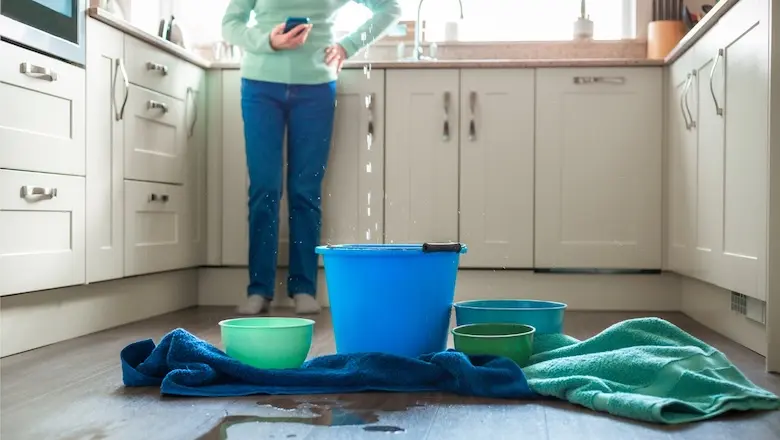
Does Homeowners Insurance Cover Water Damage? Everything You Need to Know

When you get homeowners insurance, you hope that you never need to use it. Still, it’s important to understand what your policy covers before something unexpected, like water damage, occurs.

In general, homeowners insurance covers sudden and accidental water damage from internal causes, like a faulty water heater or a burst pipe. It won’t cover all causes of water damage, though. If the water damage is due to flooding or lack of maintenance, your insurance likely won’t kick in.

Key Points

•   Homeowners insurance generally covers sudden, accidental water damage from internal sources.

•   Damage from preventable leaks and wear is usually excluded from coverage.

•   Flood damage often requires separate insurance policies.

•   Sewer backup and sump pump failure need additional coverage.

•   Average water damage repair costs are $3,828, ranging from $1,364 to $6,296.

When Homeowners Insurance Covers Water Damage

As we mentioned, homeowners insurance will cover water damages in certain situations. For example, your policy may likely cover roof leaks caused by a storm but not ones caused by wear and tear on roof shingles. Similarly, if a pipe bursts in your home, the damage will be covered, but fixing the pipe itself will not.

It may be worth looking into whether your homeowners insurance covers plumbing issues. If, say, your water heater, dishwasher, or washing machine suddenly fails, your homeowners insurance probably won’t pay to replay the appliance, but it will likely cover the cost of the water damage.

When Homeowners Insurance Does Not Cover Water Damage

Homeowners insurance will not cover water damage from leaks that could have been prevented through proper maintenance. So, for example, does homeowners insurance cover water damage for a month-old leaking roof? Most likely not.

Flood damage is also not covered, but you can purchase additional flood insurance coverage.

Most homeowners insurance policies will also not cover damage from sewer backup or sump pump failure unless you have additional water backup coverage within your homeowners insurance policy. If you aren’t happy with your current insurer or policy, you can always look into changing homeowners insurance.

Recommended: What Does Homeowners Insurance Cover?

Preventing Water Damage in Your Home

You can help prevent water damage in your home if you keep up with routine maintenance and upkeep of your home. Clean your gutters and downspouts regularly so that debris and leaves do not clog them and cause water overflow issues. Frequently check major appliances like furnaces, sinks, dishwashers, washing machines, hoses, and pipes for leaks or other issues. If there is an issue, repair it promptly. Also, inspect your roof often for damaged, cracked, or worn shingles that could let in rain.

Keeping your thermostat high enough to prevent frozen pipes can also help prevent pipes from bursting — and damaging your home or property. During the winter, shut off the water supply to outdoor faucets and drain the lines.

It is important to know where your home’s main water shutoff valve is and how to use it so that if there is an emergency water leak, you can act quickly.

How to File a Water Damage Claim

In the event your home or property takes on water damage, you’ll need to act quickly. First, identify the source of the water damage, and stop the leak if you can. You should also try to dehumidify the room or area of the house to prevent mold.

Next, document the damage with photos and videos — this can help the insurance claim process run more smoothly. If you have any images of the same location from before the damage, that might also be helpful, although it is not a requirement. You should also take an inventory of any ruined personal belongings.

Recommended: Does Homeowners Insurance Cover Mold?

Clear communication with your insurance company throughout this process is key. Ask them for the preferred way to file a claim— in other words, online, by phone, or via the company’s mobile app — and report yours as soon as possible. An adjuster may schedule a visit with you after your file to investigate the damage.

Don’t plan to do any major work until your insurance company has reviewed the damage, though some temporary fixes are OK. For example, you might want to throw out a wet carpet to prevent mold from growing or shut off water to a broken pipe. Keep receipts from any purchases you make related to the water damage, as you may get reimbursed from your insurance company.

Recommended: How Much Is Homeowners Insurance?

The Takeaway

Water damage in your home can be highly inconvenient — and expensive. The cause of the water damage may determine whether your homeowners’ insurance will cover the damage or not. If the water damage was due to sudden and accidental leaks, you will likely receive reimbursement. But if the damage was due to flooding, sewer backup, sump pump failure, or general wear and tear, you likely won’t receive reimbursement.

If you’re a new homebuyer, SoFi Protect can help you look into your insurance options. SoFi and Lemonade offer homeowners insurance that requires no brokers and no paperwork. Secure the coverage that works best for you and your home.

Find affordable homeowners insurance options with SoFi Protect.

FAQ

Is water damage from a leaky roof covered by insurance?

In general, homeowners insurance will cover water damage from a leaky roof if the leak was sudden and accidental and caused by a covered reason. If the water damage is due to flooding or lack of maintenance, for example, insurance likely won’t pay for the damage.

How expensive is water damage repair?

Water damage repair costs will vary depending on what needs repairing, how extensive the damage is, and where you are located. According to the home services website Angi.com, water damage restoration costs $3,828 on average, but ranges from $1,364 to $6,296.

Does my policy pay for leak detection or water removal services?

Homeowners insurance generally won’t cover leak detection or water removal services unless the leak is caused by a sudden, accidental event like a burst pipe.

Is damage from sewer backup or sump pump failure covered?

Most homeowners insurance policies will not cover damage from sewer backup or sump pump failure unless you have additional water backup coverage within your homeowners insurance policy.

Why isn’t flood damage covered by standard policies?

Flood damage is typically not covered by standard policies. However, you can purchase separate flood insurance. Even if you don’t live in an area that is flood-prone, it is advisable to have flood insurance because floods are the most common and costly natural disasters in the United States.


photo credit: iStock/coldsnowstorm

Auto Insurance: Must have a valid driver’s license. Not available in all states.
Home and Renters Insurance: Insurance not available in all states.
Experian is a registered trademark of Experian.
SoFi Insurance Agency, LLC. (“”SoFi””) is compensated by Experian for each customer who purchases a policy through the SoFi-Experian partnership.

Third-Party Brand Mentions: No brands, products, or companies mentioned are affiliated with SoFi, nor do they endorse or sponsor this article. Third-party trademarks referenced herein are property of their respective owners.

Financial Tips & Strategies: The tips provided on this website are of a general nature and do not take into account your specific objectives, financial situation, and needs. You should always consider their appropriateness given your own circumstances.

SOPRO-Q225-041

Read more

Does Homeowners Insurance Cover Plumbing Issues? Everything You Need to Know

Discovering a plumbing problem in your home is stressful — not only could there be damaged pipes to repair, but there could also be water damage to your floors, furniture, and personal property. Fortunately, in many cases, homeowners insurance typically covers plumbing leaks. However, in other cases, you may be financially responsible for the repairs alone. Find out how to spot the differences so you know when and how to file an insurance claim.

Key Points

•   Homeowners insurance covers sudden plumbing issues like burst pipes and clogged drains.

•   A standard home insurance policy does not cover flooding, so a separate flood insurance policy is required for such coverage.

•   Regularly check and maintain plumbing fixtures to prevent leaks.

•   Document damage with photos and inventory for insurance claims.

•   Consider a home warranty for extra coverage on appliances and systems.

When Homeowners Insurance Covers Damage From Plumbing Issues

Does homeowners insurance cover plumbing repairs? Often, the answer is yes. There are several common scenarios that personal property coverage typically handles. In such cases, you’d only be responsible for paying the deductible, and your insurance company would pay or reimburse you for the rest.

Burst Pipes

Various events can burst your pipes, quickly spraying water over large areas of your home, basement, or crawl space. The cause could be freezing temperatures, high water pressure, or something else. As long as the problem doesn’t stem from the owner’s lack of maintenance, your homeowners insurance should cover water damage of this type.

Clogged Toilets and Drains

It’s easy for clogged drains to go unnoticed until it’s too late. Whether the leak is a slow drip or a sudden overflow, as long as it wasn’t caused by typical wear and tear, you should be covered. Of course, filing a claim makes sense only if the repair work costs more than your deductible.

Sump Pump Overflow

Depending on where you live, it may be challenging to keep your basement or crawl space dry, even with a sump pump in place. If a power outage or mechanical issue causes an overflow, you may be able to file a claim.

Sewer and Drain Backups

Damage caused by sewer or drain backups isn’t always covered by a standard policy, but it’s worth checking the fine print. In some cases, you may need to purchase a sewer backup rider to be sure you’re covered. Add-ons of this type generally raise your homeowners insurance premium costs.

When Homeowners Insurance Does Not Cover Plumbing Repairs or Damage

There are three main circumstances when homeowners insurance generally won’t cover damage caused by plumbing emergencies.

The first is general wear and tear. Homeowners are responsible for the ongoing maintenance of their home and plumbing systems. So problems stemming from worn-out pipes or old fittings typically don’t qualify for an insurance claim.

Homeowners insurance also doesn’t cover plumbing leaks caused by negligence. Insurers expect you to keep the home’s temperature warm enough to prevent pipes from freezing in normal winter temperatures. They also expect you to notice a small, ongoing leak before it becomes a major issue. In these scenarios, a little bit of attention could prevent a major plumbing issue.

Finally, a standard home insurance policy doesn’t cover flooding, even if it affects your plumbing system. You’d need to have a separate flood insurance policy.

In addition to restrictions and exclusions in these situations, there are homeowners insurance coverage limits. No matter how much damage your home incurs, your insurance company only pays up to the limit specified in your policy.

Recommended: Mortgage & Homeowners Insurance Definitions

Preventing Plumbing Problems in Your Home

Regardless of whether or not a specific plumbing problem is covered by homeowners insurance, prevention can save you the headache of filing a claim, dealing with contractors, and paying out your deductible. Staying on top of a few maintenance tasks throughout the year can make a big difference in the overall health of your plumbing system and appliances.

Regularly check under sinks for slow leaks before they generate major water damage. The same goes for the seals around your tub and shower — even small amounts of water can cause major hidden damage over time.

Perform annual checkups on the hoses leading to your appliances, like your washing machine and hot water heater. For even more protection, you can upgrade with a water leak monitor near each appliance.

Also, pay attention to what’s going on outside and underneath your house. Unhook outdoor hoses before your first frost and consider insulating the pipes under your house, especially if you live in an area with extreme winter cold.

Beyond ongoing maintenance, it’s also worth considering home warranty coverage. For a small annual fee, you could get extra coverage on appliances, garbage disposals, HVAC systems, and more.

How To File a Plumbing-Related Insurance Claim

When you experience a plumbing crisis, turn off the water source to prevent any additional damage and then contact your insurance company. If your homeowners insurance does cover your plumbing situation, you’ll need to file a claim as the first order of business.

Your insurer may offer several ways to file a claim, such as via phone or through a mobile app. Start the process as soon as possible to explain what happened. It’s also smart to film or take photos of the damage to your home and personal property. Create an inventory list to help the insurer estimate each item’s value.

The insurance company may assign an adjuster to come look at the damage in person. Alternatively, your files may be enough to start the claims process.

If the reimbursement is approved, you can start looking for contractors to work on repairs. Your insurance company may have recommendations. If there’s a chance of mold damage, you’ll also want to get estimates from remediation crews.

Remember that the insurance company will subtract your deductible amount from the cost of the repairs. So if the repairs cost $5,000 and your deductible is $1,000, you’ll only receive $4,000 to pay the contractor. In some cases, the insurer may even pay the contractor directly and you’ll need to pay the difference.

Recommended: Homeowners insurance

The Takeaway

Knowing how much coverage you have for home plumbing problems is key to making sure you’re prepared for repair costs. Bear in mind that your homeowners policy is designed for sudden, unexpected events. That means that plumbing issues due to neglect or poor maintenance are not likely to be covered.

When the unexpected happens, it’s good to know you have a plan to protect your loved ones and your finances. SoFi has teamed up with some of the best insurance companies in the industry to provide members with fast, easy, and reliable insurance.

Find affordable auto, life, homeowners, and renters insurance with SoFi Protect.

FAQ

Does insurance pay to fix the actual burst pipe or leaking appliance?

It depends on the reason for the burst pipe. If it’s an accident that couldn’t have been prevented with regular maintenance, then your policy should cover the actual root cause of the water damage.

How expensive are plumbing repairs and water damage restoration?

The cost of plumbing repairs and water damage restoration can quickly add up. According to Angie’s List, a home maintenance site, the average cost of water damage restoration is $3,828. You may need flooring and subflooring replaced, as well as ceiling repair, if the leak originated on a higher floor. Plus, you may also need mold remediation if the water soaked deep into the flooring or sat for a long period of time.

Will insurance cover the cost of finding a hidden plumbing leak?

Your insurance may cover costs related to a hidden plumbing leak, as long as the leak wasn’t caused by homeowner neglect or wear and tear.

Is water damage from a leaking toilet or dishwasher hose covered?

If the issue is sudden and unforeseeable, it may be covered. But if the hose was simply old and worn, or the toilet was leaking slowly over time, you may be responsible for the bill, as insurers expect homeowners to look after their plumbing systems.

Does insurance cover damage from old or poorly maintained pipes?

No. It’s the homeowner’s responsibility to maintain pipes, regardless of age.


photo credit: iStock/Biserka Stojanovic

Auto Insurance: Must have a valid driver’s license. Not available in all states.
Home and Renters Insurance: Insurance not available in all states.
Experian is a registered trademark of Experian.
SoFi Insurance Agency, LLC. (“”SoFi””) is compensated by Experian for each customer who purchases a policy through the SoFi-Experian partnership.

This content is provided for informational and educational purposes only and should not be construed as financial advice.

Financial Tips & Strategies: The tips provided on this website are of a general nature and do not take into account your specific objectives, financial situation, and needs. You should always consider their appropriateness given your own circumstances.

Third-Party Brand Mentions: No brands, products, or companies mentioned are affiliated with SoFi, nor do they endorse or sponsor this article. Third-party trademarks referenced herein are property of their respective owners.

Terms and conditions apply. SOFI RESERVES THE RIGHT TO MODIFY OR DISCONTINUE PRODUCTS AND BENEFITS AT ANY TIME WITHOUT NOTICE. To qualify, a borrower must be a U.S. citizen or other eligible status, be residing in the U.S., and meet SoFi's underwriting requirements. Not all borrowers receive the lowest rate. Lowest rates reserved for the most creditworthy borrowers. If approved, your actual rate will be within the range of rates at the time of application and will depend on a variety of factors, including term of loan, evaluation of your creditworthiness, income, and other factors. If SoFi is unable to offer you a loan but matches you for a loan with a participating bank, then your rate may be outside the range of rates listed above. Rates and Terms are subject to change at any time without notice. SoFi Personal Loans can be used for any lawful personal, family, or household purposes and may not be used for post-secondary education expenses. Minimum loan amount is $5,000. The average of SoFi Personal Loans funded in 2023 was around $33K. Information current as of 2/26/24. SoFi Personal Loans originated by SoFi Bank, N.A. Member FDIC. NMLS #696891 (www.nmlsconsumeraccess.org). See SoFi.com/legal for state-specific license details. See SoFi.com/eligibility for details and state restrictions.

✝ To check the rates and terms you may qualify for, SoFi conducts a soft credit pull that will not affect your credit score. However, if you choose a product and continue your application, we will request your full credit report from one or more consumer reporting agencies, which is considered a hard credit pull and may affect your credit.

SOPRO-Q225-042

Read more

Does Homeowners Insurance Cover Roof Leaks? Everything You Need to Know

If you own a home, you should have homeowners insurance. This type of property insurance provides financial protection for your home and belongings in case of loss or damage.

However, not all causes of damage are covered under homeowners insurance. Take, for instance, a roof leak. Whether your homeowners insurance covers roof leak damage depends on the cause of the leak.

Let’s take a closer look.

Key Points

•   Homeowners insurance covers sudden and accidental roof leaks from events like storms, wind, hail, fire, or falling trees.

•   Insurance does not cover leaks from earthquakes, landslides, flooding, mold, neglect, wear and tear, or faulty materials.

•   Regular roof inspections, clear gutters, trimmed tree branches, and checking for mold or rust can prevent leaks.

•   To file a claim, document the damage, contact your insurance agent promptly, and an adjuster will investigate.

•   Filing a claim can cover repair costs but may increase your premium and involve a lengthy, frustrating process.

When Homeowners Insurance Covers Roof Leaks

In general, homeowners insurance covers a roof leak if the leak occurs suddenly and accidentally, as opposed to gradually. It should also be caused by a covered event — think a snowstorm, wind, or fire.

If such an event happens, your insurer will typically pay to fix the leak plus any associated damage, which may include replacing or repairing the roof, walls, or your belongings. It could also foot the bill for any issues that arise from mold or water damage.

Sounds expensive? It can be. The cost to repair a roof leak will depend on what needs repairing, the roofing material, the type of roof, how extensive the damage is, and where you are located. According to the home services website Angi.com, repairing a roof costs the average U.S. homeowner about $1,929.

Dwelling coverage, also called dwelling insurance, will help pay for the rebuilding or the repair of the physical structure of your home if it is damaged by a covered hazard. Dwelling coverage limits exist so be sure to find out all of the costs involved before filing a claim to repair your roof.

Recommended: 5 Steps to Changing Your Homeowners Insurance

When Homeowners Insurance Does Not Cover Roof Leaks

Similar to whether homeowners insurance covers plumbing, coverage for a roof leak will only kick in if the reason for the damage is from a covered event.

Homeowners insurance will not cover roof leaks from so-called “earth movement” events like earthquakes, landslides, sinkholes, mudslides, and flooding; mold or mildew; or damage from some animals, birds, or bugs. Roof leaks from neglect, intentional damage, wear and tear, or faulty workmanship or materials are also not covered by most homeowners insurance policies.

Preventing Roof Leaks and Maintaining Your Roof

Roof leaks are inconvenient and expensive. But fortunately, they’re also preventable. A good first step to keep your roof in good working order — and help keep home insurance costs low — is to have it inspected regularly. That way, you can prevent small problems from blossoming into major, costly issues.

Other smart strategies include always keeping your gutters and downspouts clear, trimming back tree branches that are close to the roof, and checking your house for any signs of issues like mold, rust, or blocked ventilation.

Recommended: Does Homeowners Insurance Cover Mold?

How to File an Insurance Claim for a Roof Leak

Sometimes, even the most meticulous homeowner is no match for Mother Nature. If your roof sustains damage and starts leaking, you’ll likely want to consider filing a claim with your insurance company — stat.

A good starting point is to assess the damage to the roof. You can either hire a roofing professional or do it yourself. If you hire a pro, they’ll document the damage for you by providing a detailed report and photos, and videos.

The report should include information such as the cause of the leak, recommended fix, estimated cost of repairs, and replacement costs. The photos and videos should include the leak source and the damage caused by the leak.

Once you have this information, contact your insurance agent. Many insurance companies have a time frame after a leak during which you must file a claim. Once you begin the claims process, an insurance adjuster will likely investigate the damage.

Pros and Cons of Filing an Insurance Claim for a Roof Leak

Before filing an insurance claim for a roof leak, you should consider the benefits and drawbacks of filing a claim for a roof leak.

On the plus side, filing a claim allows you to receive money for some or all of the roof repair costs, repair, or replacement of your personal items, and additional living expenses. It can also help with medical and legal costs, if applicable.

However, filing a claim can cause your insurance premium to increase and may cause issues for future coverage. Plus, the claims process can be time-consuming and frustrating, so you’ll want to factor in your time and future costs when comparing how much the claim will pay out.

The amount that you receive will also depend on whether your insurance policy includes actual cash value or replacement cost value coverage. Actual cash value pays the depreciated value of the property and belongings instead of the current cost to replace them. Replacement cost value reimburses you for replacing or repairing your home or possessions without taking depreciation into account.

When comparing home insurance policy options, you should consider the process for filing a claim, as well as the homeowners insurance quote, the coverage options, the premium, the deductible, and any other homeowners insurance costs.

The Takeaway

Does homeowners insurance cover roof leaks? Some homeowners might be surprised to find out that their roof leak may not be covered under their policy.

Roof leaks caused by earthquakes, landslides, sinkholes, mudslides, flooding, mold, mildew, neglect, intentional damage, or wear and tear are generally not covered by most homeowners insurance. On the other hand, roof leaks caused by snowstorms, wind, fire, hail, or a falling tree are usually covered under homeowners insurance.

If you’re a new homebuyer, SoFi Protect can help you look into your insurance options. SoFi and Lemonade offer homeowners insurance that requires no brokers and no paperwork. Secure the coverage that works best for you and your home.

Find affordable homeowners insurance options with SoFi Protect.

FAQ

Does insurance pay to replace my entire roof if it leaks?

Homeowners insurance may cover a total roof replacement — depending on the cause of the leak. If the leak is from a covered event like a storm or a falling tree, your policy will likely pay for the new roof (minus your deductible). But if the leak is from normal wear or tear or gradual deterioration, then your insurer will likely not pay for the new roof.

How much does roof repair typically cost?

Roof repair costs will vary depending on what needs repairing, roofing material, type of roof, how extensive the damage is, and where you are located. According to Angi.com, repairing a roof costs the average U.S. homeowner about $1,929.

Will insurance cover water damage inside my house from a roof leak?

Yes, homeowners insurance typically covers water damage inside your house from a roof leak, as long as the cause of the leak was from a covered reason, like snow, wind, hail, fire, or a falling tree.

What if the leak was caused by wind or hail damage?

Wind or hail damage is generally covered under standard homeowners insurance policies. However, you should review your specific policy to make sure that wind and hail are included.

Does insurance cover leaks from an old, worn-out roof?

Most insurance policies will not cover leaks from an old, worn-out roof. Only roof leaks that are from things like snowstorms, wind, or fire are usually covered.


photo credit: iStock/milan2099
Auto Insurance: Must have a valid driver’s license. Not available in all states.
Home and Renters Insurance: Insurance not available in all states.
Experian is a registered trademark of Experian.
SoFi Insurance Agency, LLC. (“”SoFi””) is compensated by Experian for each customer who purchases a policy through the SoFi-Experian partnership.

Third-Party Brand Mentions: No brands, products, or companies mentioned are affiliated with SoFi, nor do they endorse or sponsor this article. Third-party trademarks referenced herein are property of their respective owners.

Financial Tips & Strategies: The tips provided on this website are of a general nature and do not take into account your specific objectives, financial situation, and needs. You should always consider their appropriateness given your own circumstances.

SOPRO-Q225-043

Read more

Cheapest Renters Insurance Companies 2025: Find Affordable Coverage

Renters insurance can be a lifesaver in an emergency, and it doesn’t have to break the bank. For only $10 to $20 per month, you could get thousands of dollars in coverage for your personal belongings. Renters insurance policies also offer personal liability protection and may even pay for your stay in a hotel if your place gets damaged by a fire or other covered event.

When picking a policy, try to strike a balance between low costs and sufficient coverage. Here are our recommendations for the cheapest renters insurance companies that offer competitive prices and solid coverage, so you can protect yourself and your home without overspending.

Key Points

•   Renters insurance is affordable, usually costing $15 to $30 per month.

•   Coverage typically includes personal property, liability, and loss of use.

•   Higher deductibles can generally lower monthly premiums.

•   Discounts are often available for bundling policies and installing safety devices.

•   Coverage limits can be adjusted to fit individual budgets.

Top Cheap Renters Insurance Companies

The average cost of renters insurance is $15 to $30 per month, according to the National Association of Insurance Commissioners. Your cost will depend on several factors, including your location, the size of your home, and the amount of coverage you need.

To find you the cheapest renters insurance companies, we gathered quotes based on a sample address in Virginia and standard coverage (generally $30,000 in personal property and $100,000 in personal liability). Here are the most affordable providers based on our research.

Company

Average Monthly Premiums

Average Annual Premiums

State Farm $10.42 $125
Allstate $13 $136
Progressive $13 – $27 $156 – $324
Lemonade $16.42 $185
Amica $16 $169
Geico $20.34 $172.04

Find Affordable Renters Insurance.

Compare quotes from the top renters insurance companies you know and trust to find your best price.


Tips For Finding the Cheapest Renters Insurance

Renters insurance is much cheaper than homeowners insurance, since it only covers the belongings inside your home and not the structure of your home itself. Still, it’s worth shopping around to find the most affordable plan for you, as the risks of no renters insurance can outweigh the costs. Here’s how you can find the cheapest renters insurance.

Estimate Your Personal Property Value

When choosing a plan, you’ll select a certain amount of personal property coverage. You can determine how much you need by estimating the value of your belongings. Create a list of your possessions, along with the value of each. You’ll want to select a plan that will cover the full value.

If you have valuable items, such as precious jewelry or fine art, you may choose to schedule them individually into your plan. By taking inventory of what you own, you can pick an appropriate policy without overpaying for more coverage than you need.

Determine Needed Liability & Loss of Use Limits

Along with reimbursing the value of your personal belongings in the event of a fire, robbery, or other covered event, renters insurance also protects against liability or loss of use. Here’s a closer look at what those terms mean:

•   Personal liability: This protects you if someone gets injured on your property or if you cause damage to someone else’s property. It can cover legal fees, medical bills, and other costs. Common amounts are $100,000, $300,000, and $500,000.

•   Loss of use: If a fire or other covered disaster makes your home uninhabitable, renters insurance will cover temporary housing in a hotel or elsewhere.

Whether you’re purchasing a plan on your own or because your landlord requires renters insurance, consider how much coverage you want in both of these areas. A plan with lower limits will likely be cheaper, but a plan with higher limits may give you more peace of mind.

Get Quotes from Multiple Companies

Pricing and coverage can vary among renters insurance companies, so shop around to find the cheapest plan. Comparing renters insurance quotes from three companies or more can help you find the best deal. As you review your options, make sure each one offers the level of coverage you need.

Compare Coverage & Deductibles Carefully

Renters insurance plans come with different levels of coverage and deductibles. The deductible is the amount you must pay out of pocket before your plan kicks in. A high-deductible plan will be cheaper from month to month, while a low-deductible plan will have higher premiums.

Similarly, more coverage will cost more, and lower coverage will cost less. You may choose between an Actual Cash Value (ACV) and Replacement Cost Value (RCV) plan. An RCV plan will reimburse higher amounts if your possessions are stolen or damaged, but it will be more expensive.

Comparing your options will help you strike the right balance between affordable monthly premiums and enough coverage in the event of an emergency.

Ways to Save on Renters Insurance Costs

Once you’ve picked a renters insurance provider, there may be opportunities to save on your plan, such as bundling with auto insurance or scoring a discount for installing a security system on your home.

Bundle with Auto Insurance

Many companies offer a discount if you take out multiple insurance policies from them. If you have a car, consider bundling with auto insurance from the same provider to get a reduction on your premiums.

Raise Your Deductible

Opting for a plan with a higher deductible will save you money from month to month. Keep in mind, though, that you’ll have to meet your deductible before the plan starts paying out. According to Progressive, renters insurance deductibles typically range from $250 to $2,500 on personal property claims.

Ask About Discounts (Safety Devices, Claims-Free, Payment Method)

Find out if your insurance provider offers any discounts on your plan. Some companies will lower your costs if you install theft prevention devices in your home, such as a security system or deadbolts on exterior doors.

You may also qualify for a discount if you haven’t filed any claims for a certain period of time or choose a certain payment method, such as automatic payments or annual bills instead of monthly ones.

Adjust Coverage Limits Appropriately

If your renters insurance premiums are too high, you may lower them by reducing the amount of coverage in your plan. Most plans offer personal property coverage ranging anywhere from $10,000 to $100,000. Renters insurance injury coverage may range from $100,000 to $500,000, and loss of use coverage is typically 20% to 30% of your personal property limit.

The Takeaway

Renters insurance doesn’t have to be expensive — in fact, the average cost is just about $14 per month. You can find the cheapest renters insurance for apartments by shopping around with multiple companies and comparing different levels of coverage and deductibles. Some providers also offer discounts for installing security devices or bundling plans.

As you pick a plan, make sure it offers enough coverage for your belongings and liability needs. By taking inventory of your stuff and researching your options, you can get the coverage you need at a price that fits your budget.

Looking to protect your belongings? SoFi has partnered with Lemonade to offer renters insurance. Policies are easy to understand and apply for, with instant quotes available. Prices start at just $5 per month.

Explore renters insurance options offered through SoFi via Experian.

FAQ

Is renters insurance really necessary?

Renters insurance is not typically required by law, but it can provide financial protection if a disaster strikes. It offers coverage if your personal belongings are stolen or damaged in a covered peril (like a fire), along with personal liability and loss of use coverage.

How much renters’ insurance coverage do I actually need?

The amount of renters insurance coverage you need depends on the value of your personal belongings. You can determine this by taking an inventory of your possessions and estimating their total value. Standard plans offer anywhere from $10,000 to $100,000 in personal property coverage. If you have high-value items, you may purchase supplemental coverage or schedule them into your plan. You should also consider your needs for liability and loss of coverage.

Does bundling renters and auto insurance always guarantee the lowest rate?

Bundling renters and auto insurance may score you a discount, but it doesn’t always guarantee the lowest rate. It’s possible you could find cheaper plans by purchasing them individually from two different companies. Getting quotes from multiple providers can help you find the lowest rate.

How much do renters insurance quotes vary between companies?

Renters insurance quotes will vary between companies, but the difference may not be huge. The average cost of renters insurance is around $173 per year, or about $14 per month. Even a small difference can add up over time, though, so it’s worth shopping around for a plan that fits your budget.

Do cheaper renters insurance companies provide worse service?

Cheaper renters insurance companies don’t necessarily provide worse service. As you compare the cheapest renters insurance quotes, read over customer reviews and communicate with providers directly to get a sense of their customer support.


Photo credit: iStock/miniseries

Auto Insurance: Must have a valid driver’s license. Not available in all states.
Home and Renters Insurance: Insurance not available in all states.
Experian is a registered trademark of Experian.
SoFi Insurance Agency, LLC. (“”SoFi””) is compensated by Experian for each customer who purchases a policy through the SoFi-Experian partnership.

Third-Party Brand Mentions: No brands, products, or companies mentioned are affiliated with SoFi, nor do they endorse or sponsor this article. Third-party trademarks referenced herein are property of their respective owners.

Financial Tips & Strategies: The tips provided on this website are of a general nature and do not take into account your specific objectives, financial situation, and needs. You should always consider their appropriateness given your own circumstances.

SOPRO-Q225-045

Read more
TLS 1.2 Encrypted
Equal Housing Lender