A woman reviews her investments on her laptop while sitting on a couch.

How to Pick Stocks: Essential Steps for Investors

You’re ready to start buying stocks. But as you look at all the stocks available, you may be wondering which ones to choose. What’s the best way to pick a stock? And how do you know which stocks might be right for your portfolio?

This guide will walk you through what you need to know about how to pick stocks.

Key Points

•   Defining investment goals and understanding financial objectives help determine the right stocks, whether investing for retirement, home purchase, or education, considering both timeframe and risk tolerance.

•   Diversification across different sectors, company sizes, and asset types can help mitigate unsystematic risk while potentially improving portfolio performance, though it doesn’t guarantee protection from losses.

•   Thorough company research involves examining financial statements, quarterly filings, price-to-earnings ratios, dividend yields, and market news to evaluate profitability, performance, and competitive positioning.

•   Risk management requires balancing potential returns against personal risk tolerance, with aggressive investors pursuing higher-growth stocks and conservative investors favoring stable, lower-risk options.

•   Stock screeners, market news sources, and financial tools enable investors to filter stocks by criteria like earnings per share and return on investment while staying informed about market trends.

Step 1: Define Your Investment Goals

Before you start exploring different stocks, think about what you’re investing for. Of course you’re investing to make money, but what do you want to accomplish overall? In other words, what are your investment goals? Figuring out your purpose can help you when you’re choosing investments and determining how to pick stocks.

Understanding Your Financial Objectives

What are you hoping to achieve with your investments? Think about this carefully. Is it retirement? Are you saving for a downpayment on a home or your child’s college education? Knowing your financial goals is very important to your investment strategy.

Also, consider your timeframe, as you need access to the money in the next several years. If that’s the case, you may want to be more conservative with your investments. Or are you investing for the far-off future? In that case, you may be interested in stocks that have higher growth potential — with the understanding that higher-growth investments can also carry more risk.

Identifying Your Investor Profile

There are different types of investors. Pinpointing which type you are can help as you’re building your portfolio.

Investors who are looking for income (for instance, retirees who want to supplement their retirement funds) may want to buy stocks in companies that pay regular dividends. Investors who want to safeguard their money will likely want to look for stocks in companies that are stable. And investors who want to try to increase their earnings as much as possible might focus on buying higher-risk, higher-growth stocks.

Step 2: Learn the Art of Diversification

Diversifying your portfolio may help mitigate investment risk and may even improve investment performance, studies show. However, diversification is no guarantee and there is still risk when you invest.

The Role of Diversification in Risk Management

When you choose stocks, your inclination might be to stick to just a few companies you’ve researched and feel good about. This approach might seem like it could protect you from losses. But, in fact, limiting your portfolio could actually increase your chances of losing money.

That’s because unsystematic risk is a risk that’s unique to a particular company or industry. So if you invest in the stocks of food manufacturers, for instance, and extreme weather damages some of the crops they use for their products, their stock prices could plummet, which could cause investment losses for you. But if your portfolio is diversified and holds a range of stocks from different sectors or industries, it helps mitigate risk. That’s because while one stock might drop, others could remain stable.

Techniques for Effective Portfolio Diversification

To build a diversified portfolio, there’s something known as the 60/40 rule that calls for investing 60% of your portfolio in equities like stocks, and 40% in fixed income vehicles like bonds and cash.

However, even if you’re building a strictly stock portfolio, you can still diversify it. Instead of owning shares in just one company, for example, you can buy shares in a number of different companies.

You can also choose stocks in different sectors, such as consumer goods, energy, and agriculture. And you can vary the types of stocks by buying stocks in a mix of small-, mid-, and large-cap companies.

If this sounds too complicated and involved, you might be interested in investing in mutual funds or exchange-traded funds (ETFs) that contain assets from many different companies. This is another way to diversify your portfolio.

Step 3: Research and Select Potential Stocks

Now you can start considering which stocks to buy. How to pick stocks? One strategy could be to go with a company for which you have an affinity or one that you’re quite familiar with. Think of the brands that are household names, for instance.

Once you have a few companies in mind, it’s time to find out more about them.

Conducting Company Research

When doing research on companies, these are some of the things you’ll want to look into: Are the companies profitable? How do they perform against others in their industry? Has there been bad news recently about them?

Here are some resources to discover more.

Company Filings

The U.S. government requires most companies to file financial data on their performance and notable changes in the corporation. Look for the company’s quarterly and annual balance sheet, income statement, and the cash-flow statement. It’s also a good idea to look at each company’s retained-earnings statement and its shareholders’ equity.

You can find these on the company’s website under the Investor Relations section, or you can go to the Securities and Exchange Commission website to find any required filing. You’ll need to get acquainted with financial ratios. They will help you contrast and compare different companies so you can make a final decision. You’ll find them invaluable for selecting your first stock to buy.

Market News Sites

Plenty of sites devote pages of content on what companies are doing, where sectors are heading, and how the market is reacting. Get in the habit of browsing a few every day. You can even set up alerts. That way, when you learn how to buy your first stock, you can keep up with all the news.

Deep Analysis Sites

Many companies offer stock-market research and make the task of evaluating stocks easier. Some offer information at no cost, others charge a subscription. Many online brokerages also offer analysis content you can use.

Step 4: Analyze Stock Value and Performance

Next, you can look at the performance of the stock over time and its price to see if it represents a good value. Here’s how to do that.

Assessing Financial Health and Earnings

To evaluate a stock’s price, you can look at its price-to-earning ratio (you can generally find this information on the company’s website), which is a company’s share price divided by its earnings per share over the past year. If a stock’s PE is below its historic average, this typically indicates the stock is at a good price.

Another metric to check out is a stock’s dividend yield. If the dividend yield is above average, that could be an indication that the stock is at a good price. These types of metrics can give you an idea of how profitable and efficient a company might be.

💡 Quick Tip: Distributing your money across a range of assets — also known as diversification — can be beneficial for long-term investors. When you put your eggs in many baskets, it may be beneficial if a single asset class goes down.

Step 5: Learn Risk Management in Stock Picking

A risk management strategy can help protect you from big losses. That involves never risking more money than you can afford to lose and knowing your risk tolerance level.

Balancing Risk and Potential Returns

How comfortable are you with risk? Are you the aggressive type who is willing to accept higher risk if it means you have the potential for higher returns? Or are you a conservative investor whose priority is to safeguard their money, so you are willing to accept lower returns for investments with lower risk?

In general, higher-growth stocks tend to be riskier, which aggressive investors may gravitate to. Stocks that are more stable and offer lower returns might appeal to a conservative investor.

Understanding how much risk you can tolerate, and balancing that risk with the potential rewards it might offer, is key to choosing which stocks to invest in.

Strategy for Long-Term vs Short-Term Investments

Investors who have a longer investment timeframe — for instance, those investing for retirement, which is 20 or more years away — may be willing to choose higher growth, higher risk stocks because they have time to try to recoup any losses they suffer.

Investors who are investing for the short-term — perhaps they want to buy a new house in two years, or their child will soon be heading off to college — may do best choosing a more conservative investment strategy to help maximize their savings and minimize their losses.

Step 6: Utilize Tools for Effective Stock Selection

There are tools that help you screen stocks. They’re available on many brokerage trading platforms, sometimes for free.

In addition, when selecting stocks, it can be a good idea to keep on top of news regarding the market in general as well as any specific sector or industry you might be interested in.

Navigating Stock Screeners and Tools

Stock screeners are tools that let you filter through many different stocks using criteria you choose based on your personal investment goals. You could screen by the industry or sector you’re considering, for instance, and by such data as on return on investment (ROI) or earnings per share (EPS). Look for these tools on brokerage trading platforms.

Keeping Up-to-Date with Market Trends

As discussed earlier, there are a number of market news sites you can follow to stay on top of the latest trends and happenings in the market. There are also financial podcasts you can listen to.

Step 7: Seek Answers to Your Stock-Picking Questions

Finally, before buying a stock, there are some key questions you should ask. These questions include:

•  What does the company do?

•  What is the company’s profit or revenue?

•  What is the market for the company and who are the customers?

•  What is the company’s price-to-earnings (PE) ratio?

•  How does it differentiate itself from competitors?

•  Why are you investing in this stock? What do you want it to do for your portfolio?

Once you research the answer to these questions, if the stock seems profitable and well-positioned for the future, you may want to consider it for your portfolio.

The Takeaway

Picking stocks involves a number of steps, such as determining your investment goals, understanding your risk tolerance, and researching companies and stocks that are a good fit with your purpose for investing.

Consider carefully which stocks look strong and could help you meet your investment objectives. And remember to look for stocks that can help you diversify and balance your portfolio as you work to set yourself up for financial success.

Invest in what matters most to you with SoFi Active Invest. In a self-directed account provided by SoFi Securities, you can trade stocks, exchange-traded funds (ETFs), mutual funds, alternative funds, options, and more — all while paying $0 commission on every trade. Other fees may apply. Whether you want to trade after-hours or manage your portfolio using real-time stock insights and analyst ratings, you can invest your way in SoFi's easy-to-use mobile app.


Opening and funding an Active Invest account gives you the opportunity to get up to $1,000 in the stock of your choice.¹

FAQ

What is the best formula for picking stocks?

There is no one best formula for picking stocks. One strategy you can use involves several steps, such as: figuring out your investing goals, researching companies to make sure they are a good fit with your goals and that they’re profitable and have a good business plan in place for the future, and evaluating the stock’s price to make sure it’s a good value.

How do you know if a stock is good?

To help determine if a stock might be a good investment, get answers to questions about the way the company operates. Additionally, look at key metrics such as the price-to-earning (PE) ratio to help measure a stock’s value, and earnings per share (EPS) for an indication of its financial strength.


INVESTMENTS ARE NOT FDIC INSURED • ARE NOT BANK GUARANTEED • MAY LOSE VALUE

SoFi Invest is a trade name used by SoFi Wealth LLC and SoFi Securities LLC offering investment products and services. Robo investing and advisory services are provided by SoFi Wealth LLC, an SEC-registered investment adviser. Brokerage and self-directed investing products offered through SoFi Securities LLC, Member FINRA/SIPC.

For disclosures on SoFi Invest platforms visit SoFi.com/legal. For a full listing of the fees associated with Sofi Invest please view our fee schedule.

Mutual Funds (MFs): Investors should carefully consider the information contained in the prospectus, which contains the Fund’s investment objectives, risks, charges, expenses, and other relevant information. You may obtain a prospectus from the Fund company’s website or clicking the prospectus link on the fund's respective page at sofi.com. You may also contact customer service at: 1.855.456.7634. Please read the prospectus carefully prior to investing.Mutual Funds must be bought and sold at NAV (Net Asset Value); unless otherwise noted in the prospectus, trades are only done once per day after the markets close. Investment returns are subject to risk, include the risk of loss. Shares may be worth more or less their original value when redeemed. The diversification of a mutual fund will not protect against loss. A mutual fund may not achieve its stated investment objective. Rebalancing and other activities within the fund may be subject to tax consequences.

Exchange Traded Funds (ETFs): Investors should carefully consider the information contained in the prospectus, which contains the Fund’s investment objectives, risks, charges, expenses, and other relevant information. You may obtain a prospectus from the Fund company’s website or by emailing customer service at [email protected]. Please read the prospectus carefully prior to investing.

Investment Risk: Diversification can help reduce some investment risk. It cannot guarantee profit, or fully protect in a down market.


¹Probability of Member receiving $1,000 is a probability of 0.026%; If you don’t make a selection in 45 days, you’ll no longer qualify for the promo. Customer must fund their account with a minimum of $50.00 to qualify. Probability percentage is subject to decrease. See full terms and conditions.

Disclaimer: The projections or other information regarding the likelihood of various investment outcomes are hypothetical in nature, do not reflect actual investment results, and are not guarantees of future results.

Financial Tips & Strategies: The tips provided on this website are of a general nature and do not take into account your specific objectives, financial situation, and needs. You should always consider their appropriateness given your own circumstances.

SOIN-Q425-061

Read more
A pencil lies next to a tablet with multi-colored lines.

5 Investment Strategies for Beginners

There are a ton of investment strategies and ideas out there, and it can be difficult to figure out which one might be right for you. Simple strategies, particularly for beginners, include utilizing asset allocation, diversification, rebalancing, and buy-and-hold tactics.

With that in mind, investing is a powerful tool that allows you to put your money to work to help you reach future financial goals. But if you’re new to investing, you may be asking yourself what investment strategies should you pursue? Here are some strategies to help you get started.

Key Points

•   Asset allocation is a strategy that involves choosing how to balance potential risk and reward within a portfolio.

•   Diversification refers to managing risk with a mix of different investment types.

•   Rebalancing includes shifting asset allocation and diversification mixes over regular periods of time.

•   Buy-and-hold strategies involve buying investments and hanging on to them for long periods of time.

•   Dollar-cost averaging is a strategy that involves investing a fixed amount at regular intervals.

There are many investment strategies for beginners to consider. Here are some that can help you get started.

1. Asset Allocation

Asset allocation refers to proportioning out different types of investments across your portfolio.

Once you’ve opened an investment account and you begin to build your portfolio, asset allocation is an important strategy to consider to help you balance potential risk and rewards. A typical portfolio might divide its assets among three main asset classes: stocks, bonds, and cash. Each asset class has its own risk and return profile, behaving a little bit differently under different market circumstances.

For example, stocks tend to offer higher gains, but they are also more volatile, presenting increased potential for losses. Bonds are generally considered to be less risky than stocks, while cash is typically more stable.

The proportion of each asset class you hold will depend on your goals, time horizon, and risk tolerance. Your goal is how much you aim to save. Your time horizon is the length of time you have before reaching your goals. And your risk tolerance is how much risk you’re willing to take to achieve your goals.

Your asset allocation can shift over time. For example, someone in their 30s saving for retirement has a long time horizon and may have a higher risk tolerance. As a result their portfolio may contain mostly stocks. As that person grows older and nears retirement, their portfolio may shift to contain more bonds and cash, which are typically less risky and less likely to lose value in the short-term.

2. Diversification

Another way to help manage risk in your portfolio is through diversification, which is building a portfolio with a mix of investments across assets to avoid putting all your eggs in one basket.

Here’s how it works: Imagine you had a portfolio consisting of stock from one company. If that stock does poorly your entire portfolio suffers.

Now imagine a portfolio consisting of many stocks, from companies of all sizes and sectors. Not only that, it also holds other investments, including bonds. If one stock suffers, it will have a much smaller effect on your overall portfolio, spreading out the risk of holding any one investment.

Get up to $1,000 in stock when you fund a new Active Invest account.*

Access stock trading, options, alternative investments, IRAs, and more. Get started in just a few minutes.


*Customer must fund their Active Invest account with at least $50 within 45 days of opening the account. Probability of customer receiving $1,000 is 0.026%. See full terms and conditions.

3. Rebalancing

Rebalancing involves shifting around your portfolio’s holdings to make sure it aligns with your broader strategy and goals.

Your portfolio can change over time, shifting your assets allocation and diversification. For example, if there is a bull market and stocks outperform, you may discover that you now hold a greater portion of your portfolio in stocks than you had intended.

At this point, investors typically rebalance their portfolio to bring it back in line with their goals, time horizon, and risk tolerance. In the example above, an investor may decide to sell some stock or buy more bonds, for instance.

4. Buy-and-hold Strategy for Investing

Market fluctuations are a natural part of the market cycle. However, investors may get nervous and be tempted to sell when prices drop. When they do, investors might lock in their losses and miss out on subsequent market rebounds.

Investors practicing buy-and-hold strategies tend to buy investments and hang on to them over the long term, regardless of short-term movements in the market. Doing so may help curb the tendency to panic sell, and it might also help minimize fees associated with trading.

Buy and hold might also affect an investor’s taxes. Holding a long-term investment vs. short-term one can make a big difference in terms of how much an individual pays in taxes.

If you profit from an investment after owning it for at least a year, it’s a long-term capital gain. Less than that is short-term. Capital gains tax rates can change, but generally, longer-term investments are taxed at a lower rate than short-term ones.

💡 Quick Tip: How to manage potential risk factors in a self-directed investment account? Doing your research and employing strategies like dollar-cost averaging and diversification may help mitigate financial risk when trading stocks.

5. Dollar-Cost Averaging

Dollar-cost averaging is a strategy in which individuals invest on a regular basis by making fixed investments on a regular schedule regardless of market prices.

For example, say an investor wants to invest $1,000 every quarter in an exchange-traded fund (ETF) that tracks the S&P 500. Each quarter, the price of that fund will likely vary — sometimes it will be up, sometimes it will be down. The amount of money the individual invests remains the same, so they are buying fewer shares when prices are high, and more shares when prices are low.

This strategy may help individuals avoid emotional investing. It’s also straightforward and can help investors stick to a plan, rather than trying to time the market.

The Takeaway

There are many different strategies and tactics that investors can use, and some are likely more beginner-friendly than others. Those could include asset allocation, diversification, rebalancing, and buying-and-holding strategies.

Investing is an ongoing process. Your life, goals, and financial needs will all change as your circumstances do. For example, may you get a raise at work, get married and have a child, or decide to retire early. Factors like these will change how much money you need to save and how you invest. Monitor your portfolio and make adjustments as needed.

Invest in what matters most to you with SoFi Active Invest. In a self-directed account provided by SoFi Securities, you can trade stocks, exchange-traded funds (ETFs), mutual funds, alternative funds, options, and more — all while paying $0 commission on every trade. Other fees may apply. Whether you want to trade after-hours or manage your portfolio using real-time stock insights and analyst ratings, you can invest your way in SoFi's easy-to-use mobile app.


Opening and funding an Active Invest account gives you the opportunity to get up to $1,000 in the stock of your choice.¹

FAQ

Is rebalancing the same as diversification?

Rebalancing and diversification are not the same, though they’re similar. They can be used in tandem to manage investment risk, but the main difference is that rebalancing involves periodically adjusting investments to align them with your goals, while diversification involves spreading investment across asset types to manage risk.

What does a buy-and-hold strategy entail?

A buy-and-hold strategy is more or less what it sounds like: Buying investments, and holding onto them for a long period of time, despite short-term ups and downs in the market.

What is dollar-cost averaging?

Dollar-cost averaging is an investment strategy in which individuals invest a fixed amount on a regular schedule, regardless of market prices. This can help investors avoid timing the market, and over time can enable them to buy more investment shares when prices are low and fewer when prices are high.


INVESTMENTS ARE NOT FDIC INSURED • ARE NOT BANK GUARANTEED • MAY LOSE VALUE

SoFi Invest is a trade name used by SoFi Wealth LLC and SoFi Securities LLC offering investment products and services. Robo investing and advisory services are provided by SoFi Wealth LLC, an SEC-registered investment adviser. Brokerage and self-directed investing products offered through SoFi Securities LLC, Member FINRA/SIPC.

For disclosures on SoFi Invest platforms visit SoFi.com/legal. For a full listing of the fees associated with Sofi Invest please view our fee schedule.

Financial Tips & Strategies: The tips provided on this website are of a general nature and do not take into account your specific objectives, financial situation, and needs. You should always consider their appropriateness given your own circumstances.


¹Probability of Member receiving $1,000 is a probability of 0.026%; If you don’t make a selection in 45 days, you’ll no longer qualify for the promo. Customer must fund their account with a minimum of $50.00 to qualify. Probability percentage is subject to decrease. See full terms and conditions.

Exchange Traded Funds (ETFs): Investors should carefully consider the information contained in the prospectus, which contains the Fund’s investment objectives, risks, charges, expenses, and other relevant information. You may obtain a prospectus from the Fund company’s website or by emailing customer service at [email protected]. Please read the prospectus carefully prior to investing.

Investment Risk: Diversification can help reduce some investment risk. It cannot guarantee profit, or fully protect in a down market.

S&P 500 Index: The S&P 500 Index is a market-capitalization-weighted index of 500 leading publicly traded companies in the U.S. It is not an investment product, but a measure of U.S. equity performance. Historical performance of the S&P 500 Index does not guarantee similar results in the future. The historical return of the S&P 500 Index shown does not include the reinvestment of dividends or account for investment fees, expenses, or taxes, which would reduce actual returns.
Tax Information: This article provides general background information only and is not intended to serve as legal or tax advice or as a substitute for legal counsel. You should consult your own attorney and/or tax advisor if you have a question requiring legal or tax advice.

Third-Party Brand Mentions: No brands, products, or companies mentioned are affiliated with SoFi, nor do they endorse or sponsor this article. Third-party trademarks referenced herein are property of their respective owners.

Disclaimer: The projections or other information regarding the likelihood of various investment outcomes are hypothetical in nature, do not reflect actual investment results, and are not guarantees of future results.

Dollar Cost Averaging (DCA): Dollar cost averaging is an investment strategy that involves regularly investing a fixed amount of money, regardless of market conditions. This approach can help reduce the impact of market volatility and lower the average cost per share over time. However, it does not guarantee a profit or protect against losses in declining markets. Investors should consider their financial goals, risk tolerance, and market conditions when deciding whether to use dollar cost averaging. Past performance is not indicative of future results. You should consult with a financial advisor to determine if this strategy is appropriate for your individual circumstances.

SOIN-Q425-033

Read more
Numbers and stock quotes appear on a computer screen in multiple colors.

What Are the Different Types of Stocks?

There are numerous types of stocks, categorized by company characteristics, size, region, sector, and more. Equipped with an understanding of different stock types, an investor can start building a diversified portfolio. Though all stocks can experience volatility and potentially lose value, holding a mix of different types of shares can mitigate the risk of being too heavily invested in any one category.

Key Points

•   Stocks represent ownership in publicly traded companies and have the potential to generate returns, such as through capital appreciation or dividend payments, or result in losses.

•   Different stock categories include value stocks, growth stocks, common stock, preferred stocks, and various classifications based on market capitalization and sector.

•   Stocks can be classified by market capitalization into categories, such as micro-cap, small-cap, mid-cap, large-cap, and mega-cap.

•   Various stock sectors exist, including industrials, materials, consumer discretionary, health care, and financials, allowing for diversified portfolio creation.

•   Investors can also consider international stocks, including those from developed regions like EAFE or emerging markets, to further diversify their portfolios.

An Overview Of Stocks

A stock represents a percentage of ownership in a publicly traded company. So essentially, investors can own small pieces or “shares” of companies.

Generating returns via the stock market can usually happen in one of two ways. First, the value of the stock can increase over time, something known as capital appreciation. The second is through dividend payments, where companies make cash payouts periodically to all owners of that company’s stock. Some people make investments based on a company’s ability to pay consistent dividends, or “income.” Utility and telephone companies often fit into this bucket.

When you own a stock, you hold equity (or ownership) in that company. That’s why stocks are sometimes referred to as equities. Each individual share represents an equal proportion of ownership. Owners of stocks are often referred to as stockholders or shareholders.

💡 Quick Tip: Are self-directed brokerage accounts cost efficient? They can be, because they offer the convenience of being able to buy stocks online without using a traditional full-service broker (and the typical broker fees).

Categories of Stocks

There are several ways that different stocks are categorized, which is important to know if you’re brushing up on the stock market basics. Stocks are also sometimes classified by styles of investing. These categories often have to do with how that company makes money and how the stock is valued. You may often hear this associated when discussing value vs. growth stocks.

Value Stocks

Value stocks are stocks that are considered to be trading below their actual worth, and are a key component in value investing. Investors hope that by buying companies that are priced below their “true” value, they can profit as the gap narrows over time.

Growth Stocks

Growth stocks are companies that are growing at a fast pace or those that are expected to continue growing at a faster rate than other stocks or competitors. Investors can encounter higher valuations in growth investing.

Common Stock

Common stock represents shares of ownership in a corporation. When an investor receives common shares, they are typically also granted voting rights to the company and can participate in shareholder voting processes — usually one vote for each share. For investors, it can be helpful to understand the differences between common versus preferred stock.

Preferred Stocks

Preferred stocks make regular dividend payments, but holders of preferred shares often have zero or limited voting rights. If a company becomes financially insolvent however, preferred stockholders have a claim on assets before common shareholders do.

Exchange-traded Funds (ETFs)

Exchange-traded funds, or ETFs, group multiple securities into a single share. For instance, a stock ETF will hold numerous companies, while a bond ETF can hold many individual bonds, whether it’s a collection of Treasurys or high-yield debt. ETFs are popular because of the cheap, instant diversification they offer.

There are many types of ETFs, too, including low-cost ETFs, and ETFs with their holdings concentrated in certain sectors.

Initial Public Offerings (IPOs)

An initial public offering (IPO) is the process of a private company listing and debuting on a public stock exchange. Investors can buy IPO shares on their first day of trading.

Special Purpose Acquisition Companies (SPACs)

SPACs are shell companies that go public on the stock exchange, and then try to find a private operating business to purchase.

Real Estate Investment Trusts (REITs)

REITs are companies that own and operate real estate, usually focusing on one type of property, such as warehouses, hotels or office buildings. There are pros & cons to investing in REITs. For example, one pro is that they tend to pay consistent dividends. Cons include sensitivity to interest rates, and taxed dividends.

Blue Chip Stocks

Blue chip stocks are stocks that large, well-established companies issue and usually have a long-standing history of growth. They’re generally considered to be financially sound, and may be considered lower-risk than other stocks.

Cyclical and Noncyclical Stocks

Cyclical investing concerns making stock selections surrounding economic changes, and cyclical stocks are those that may see their performance closely align with larger economic shifts. Noncyclical stocks, on the other hand, do not see their performance tied to larger economic changes.

Defensive Stocks

Defensive stocks may be used as a part of a defensive investing strategy, and usually involves investing in stocks that may be seen as lower-risk. This can include blue-chip stocks, or stocks from sectors like utilities and consumer staples.

Penny Stocks

Penny stocks are low-priced stocks that generally trade for less than $5 per share, and many trade for less than $1. They’re usually risky, and highly-speculative stocks.

Income Stocks

Income stocks are a category of stocks that tend to offer regular, steady income to investors. That income generally comes in the form of dividends.

Environmental, Social, and Corporate Governance (ESG)

ESG stocks are those that may have certain non-financial criteria that appeal to certain investors. ESG stocks are shares of companies that are socially and environmentally responsible, though there is no universally-shared or accepted set of ESG criteria.

Different Market Caps

The sizes of stocks are classified by the market capitalization of the company’s publicly traded stock. Market cap is calculated by multiplying the stock price by the total number of outstanding shares.

Generally speaking, larger companies tend to be older, more established, and have greater international exposure, so a higher percentage of a large-cap company’s revenue comes from overseas. Meanwhile, smaller-cap stocks tend to be newer, less established and more domestically oriented. Smaller-cap companies can be riskier but also offer more growth potential.

Similarly, if you’re interested in buying mid-cap stocks, that generally means you’re investing in mid-sized companies.

stock market caps

While the market-caps that determine which companies are small or large can shift, here’s a breakdown that gives some rough parameters.

Micro-Cap: $50 million to $300 million

Small-Cap: $300 million to $2 billion

Mid-Cap: $2 billion to $10 billion

Large-Cap: $10 billion or higher

Mega-Cap: $200 billion or higher

Types of Stock Classes

There are also stock classes that investors should be aware of, and those generally involve Class A, Class B, and Class C shares, which all may be issued by the same company. The specifics of each category will vary from company to company, too.

For some rough guidelines, though, Class A shares tend to have more voting power and higher priority for dividends. Class B shares may have lesser voting power than Class A shares, but no preferential treatment for dividends. Class C shares are often given to employees as a part of a compensation package, and may have associated trading restrictions.

💡 Quick Tip: What makes a robo advisor effective? Typically these automated investing services offer automatic deposits, a diversified portfolio of low-cost ETFs, and automatic rebalancing — all of which are designed to help you reach a specific goal. They can be less flexible and cost more than some other options, however.

Stocks By Sector

stock sectors

Additionally, stocks are often grouped by the industry that that company works within. According to the Global Industry Classification Standard (GICS), there are 11 recognized sectors, with numerous industries within those sectors. They include (but are not limited to):

Energy: Energy equipment and services, oil, gas, and consumable fuels. If you want to invest in energy stocks, this is the category to look at.

Materials: Chemicals, construction materials, containers and packaging, metals and mining

Industrials: Aerospace and defense, building products, machinery, construction and engineering, electrical equipment, industrial conglomerates

Consumer Discretionary: Automobiles, automobile components, household durables, leisure products

Consumer Staples: Food products, beverage, tobacco, household products

Health Care: Health care equipment and services, pharmaceuticals, biotechnology, life sciences

Financials: Banks, insurance, consumer finance, capital markets, financial services

Information Technology: IT services, software, communications equipment

Communication Services: Diversified telecommunication services, media, entertainment

Utilities: Electric utilities, gas utilities, water utilities, independent power and renewable electricity producers

Real Estate: Real estate management and development, various REITs (retail, residential, office, etc.)

Again, these categories can be helpful to investors looking to diversify their portfolios. If you want to add some real estate stocks, or even invest in tech stocks, sector investing may be something to research further.

Note, too, that there may be other categories or sectors of stocks not listed above, such as retail stocks.

Stocks by Country

Different overseas stocks can be classified by the country or region in which they’re headquartered, even if the company’s operations are global. Individuals looking to invest in international stocks have found that they can do so easily with ETFs, which hold numerous foreign companies within a single share.

Regions that are commonly used in the world of stock investing are:

EAFE is an acronym which stands for Europe, Australasia, and the Far East. Investors may see this used when making investment choices, as the MSCI EAFE is a common index used for international stock funds. These countries are all “developed” nations, which means they have established financial markets, stable political climates, and mature economies.

Emerging-market stocks, which stocks with companies based out of countries whose economies are described as developing. Brazil, Russia, Mexico, China, and India are just a few emerging markets. Emerging markets may be riskier to invest in but may pose an opportunity for high rates of growth.

The Takeaway

There are numerous types of stocks on the market, and it can be important for investors to understand the differences between them. The stock market can be volatile and prone to dramatic declines, but in order to shield themselves from the risks, investors often create diversified portfolios by stocking their holdings through various different stock types.

Diversification is easier to do if an investor understands the different types of stocks that exist in the U.S. equity market. From mega-cap stocks to ETFs to emerging-market companies, there are a myriad of investing opportunities in the equity market.

Ready to invest in your goals? It’s easy to get started when you open an investment account with SoFi Invest®. You can trade stocks, ETFs, or options through self-directed investing with SoFi Securities, or simply automate your investments with a robo advisor from SoFi Wealth. You'll gain access to alternative investments and upcoming IPOs, and can plan for retirement with a tax-advantaged IRA. With SoFi, you can manage all your investments, all in one place.


Take a step toward reaching your financial goals with SoFi Invest.

FAQ

What are the benefits of investing in different types of stocks?

Investing in different types of stocks can be beneficial to investors as it can diversify their portfolio, which may help reduce investing risk as the market fluctuates.

What is the riskiest type of stock?

Penny stocks are likely the riskiest type of stock, as they are shares of companies that are new, unproven, and highly volatile. While there’s a big potential upside to investing in penny stocks, the risks are significant.

What stocks are best for beginners?

While it’ll depend on the individual investor, beginner investors may want to look at investing in blue chip stocks, ETFs, or other stocks that have either built-in diversification, or a long track record of viability, which can be a sign of lower associated risks.

What are the risks and opportunities of investing in emerging markets?

Emerging markets can be volatile or unstable, and there may be political, monetary, and economic risks that investors are unaware of in those markets.


INVESTMENTS ARE NOT FDIC INSURED • ARE NOT BANK GUARANTEED • MAY LOSE VALUE

SoFi Invest is a trade name used by SoFi Wealth LLC and SoFi Securities LLC offering investment products and services. Robo investing and advisory services are provided by SoFi Wealth LLC, an SEC-registered investment adviser. Brokerage and self-directed investing products offered through SoFi Securities LLC, Member FINRA/SIPC.

For disclosures on SoFi Invest platforms visit SoFi.com/legal. For a full listing of the fees associated with Sofi Invest please view our fee schedule.

Exchange Traded Funds (ETFs): Investors should carefully consider the information contained in the prospectus, which contains the Fund’s investment objectives, risks, charges, expenses, and other relevant information. You may obtain a prospectus from the Fund company’s website or by emailing customer service at [email protected]. Please read the prospectus carefully prior to investing.

Tax Information: This article provides general background information only and is not intended to serve as legal or tax advice or as a substitute for legal counsel. You should consult your own attorney and/or tax advisor if you have a question requiring legal or tax advice.

Investment Risk: Diversification can help reduce some investment risk. It cannot guarantee profit, or fully protect in a down market.

Investing in an Initial Public Offering (IPO) involves substantial risk, including the risk of loss. Further, there are a variety of risk factors to consider when investing in an IPO, including but not limited to, unproven management, significant debt, and lack of operating history. For a comprehensive discussion of these risks please refer to SoFi Securities’ IPO Risk Disclosure Statement. This should not be considered a recommendation to participate in IPOs and investors should carefully read the offering prospectus to determine whether an offering is consistent with their investment objectives, risk tolerance, and financial situation. New offerings generally have high demand and there are a limited number of shares available for distribution to participants. Many customers may not be allocated shares and share allocations may be significantly smaller than the shares requested in the customer’s initial offer (Indication of Interest). For more information on the allocation process please visit IPO Allocation Procedures.

Financial Tips & Strategies: The tips provided on this website are of a general nature and do not take into account your specific objectives, financial situation, and needs. You should always consider their appropriateness given your own circumstances.

SOIN-Q425-036

Read more
A smiling therapist, dressed in a blazer, sits in an armchair, taking notes while talking to a couple (seen from behind).

How Much Does a Therapist Make a Year

The average annual pay for a therapist in the U.S. is $63,780, according to the U.S. Bureau of Labor Statistics.

But there are many factors that can influence this number, including experience, specialty, and location. If you’re interested in starting a career as a therapist, employment demand is expected to be strong.

Here’s a closer look at what a therapist does and how much money they can make in a year.

Key Points

•   The average annual salary for therapists in the U.S. is around $63,780, according to the Bureau of Labor Statistics.

•   Therapists’ salaries can vary widely based on factors such as location, type of practice, and years of experience, with some earning over $110,000 per year.

•   Therapists who specialize in areas like marriage and family therapy, clinical psychology, or occupational therapy often earn higher salaries compared to those in general practice.

•   Therapists can work in various settings, including private practices, hospitals, schools, and community health centers, each with its own salary range and benefits.

•   The job outlook for therapists is positive, with a projected growth rate that is faster than the average for all occupations.

What Is a Therapist?

If you like talking with people and helping them work through issues to improve their lives, a career as a therapist might be a good fit.

Therapists generally specialize in working with specific groups of people or in certain areas. For instance, some might concentrate on working with children, older adults, or married couples, or with people who need help with issues like eating disorders or drug abuse. Therapists can work in different settings, including health practitioner offices, hospitals, schools, private practices, and home health care services.

It can be a long path to becoming a therapist. Therapists need an undergraduate degree and typically have a master’s degree in psychology or in a related field or specialty. There are also hands-on experience requirements through supervised clinical work. States have different requirements when it comes to obtaining a license, but the process usually involves filling out an application and passing an exam.

There are other skills that go beyond education that help make a good therapist. Soft skills like strong communication and organization skills, being a good listener, and having empathy and patience are also important to being successful in the profession.

Check your score with SoFi

Track your credit score for free. Sign up and get $10.*


💡 Quick Tip: When you have questions about what you can and can’t afford, a spending tracker app can show you the answer. With no guilt trip or hourly fee.

Therapist vs. Psychologist

The title “therapist” is often used broadly to include various professions. It’s sometimes used interchangeably with “psychologist,” but there are differences between the two.

The educational requirements are heftier for those interested in pursuing a career as a psychologist. Psychologists typically need a doctoral degree in psychology and to pass certain exams to be able to secure a license.

There is strong demand for psychologists. The Labor Department forecasts employment of psychologists to grow 6% from 2024 to 2034. Over that decade, there’s projected to be about 11,800 openings a year.

How Much Do Therapists Make Starting Out?

When you’re just starting out as an entry-level mental health therapist after all those years of education and clinical work, you can expect to earn an average total pay of around $53,236 a year, according to ZipRecruiter. As you grow in your career and gain experience, though, your salary will increase. The top 10% of therapists earn more than $111,610 per year.

But keep in mind that there are many considerations when it comes to determining a good entry-level salary, including location, experience, skill level, specialty, and demand.

What Is the Average Salary for a Therapist

The average median pay for a therapist is $63,780, according to the U.S. Bureau of Labor Statistics. That breaks down to $30.66 per hour.

The growth rate for therapists is expected to grow 13% from 2024-34 — much faster than the average.

There’s a large range in how much a therapist can make. The lowest 10% earned less than $42,610, while the highest 10% earned more than $111,610 per year.

Note that while some therapists will choose to bill by the hour, when it comes to compensation, there’s a difference between being paid salaried vs paid hourly.

Recommended: What Is Competitive Pay?

What Is the Average Therapist Salary by State?

Wondering how a therapist’s salary compares to the highest-paying jobs in your state? Here’s a breakdown of what the average therapist makes by state.

State Annual Mean Wage
Alabama $55,260
Alaska $69,970
Arizona $54,830
Arkansas $52,710
California $74,660
Colorado $89,280
Connecticut $94,830
Delaware $64,840
Florida $69,450
Georgia $67,960
Hawaii $145,360
Illinois $66,640
Indiana $58,430
Iowa $72,070
Kansas $63,480
Kentucky $65,100
Maine $72,820
Maryland $84,900
Massachusetts $68,430
Michigan $59,210
Minnesota $72,900
Mississippi $51,480
Missouri $70,010
Montana $43,300
Nebraska $68,000
New Hampshire $60,490
New Jersey $91,980
New Mexico $68,660
New York $66,710
North Carolina $60,540
North Dakota $70,330
Ohio $78,300
Oklahoma $59,830
Oregon $94,520
Pennsylvania $67,940
South Carolina $51,940
South Dakota $50,120
Tennessee $46,510
Texas $54,900
Utah $85,550
Vermont $66,260
Virginia $78,900
Washington $68,250
West Virginia $49,450
Wisconsin $43,740

Source: U.S. Bureau of Labor Statistics

Therapist Job Considerations for Pay and Benefits

Helping people better themselves and overcome problems can be a very fulfilling line of work. And there’s a need for more people to work in the mental health field.

For example, employment growth for substance abuse, behavioral disorder and mental health counselors is expected to increase 17% from 2024 to 2034, according to the Department of Labor. Because of these strong employment growth projections, being a therapist likely comes with job security.

Becoming a therapist can also bring scheduling flexibility, especially if you run your own practice. Being able to set your own hours can result in a better work-life balance. However, some therapists might have to offer after-hour sessions to work around clients’ schedules.

Working one-on-one with people and forging relationships can also be a satisfying perk, but it can also be emotionally stressful. That’s why this profession might not be the best fit if you tend to be more introverted.

Recommended: 10 Entry-Level Jobs with Little Human Interaction

Pros and Cons of Therapist Salary

The educational requirements for a therapist are higher than other professions, which could mean you graduate with a hefty debt load that can put pressure on future earnings.

However, your earnings potential increases as you gain more experience. Experienced therapists can earn six figures per year; and for those that open their own practices, earnings could be even higher.

The pay and benefits can differ depending on where a therapist works. For instance, joining a bigger practice or hospital could bring about additional benefits like retirement savings plans and health care benefits compared to a smaller or solo practice.

The licensure requirements to become a therapist can be time consuming. Each state has its own licensing requirements that you’ll have to navigate. There can also be continuing education requirements in order to maintain your license.

💡 Quick Tip: Income, expenses, and life circumstances can change. Consider reviewing your budget a few times a year and making any adjustments if needed.

The Takeaway

Becoming a therapist can be very rewarding on a personal, professional, and financial level. Be prepared for the path it takes to get to this career: an undergraduate degree, a master’s degree in a specialized area, clinical experience, the state license and exam process, and continuing education.

Take the time to evaluate your budget. The education requirements could mean taking out student loans, which can put strain on your budget. Online tools like a money tracker app can help you create a spending plan that’s right for you.

Take control of your finances with SoFi. With our financial insights and credit score monitoring tools, you can view all of your accounts in one convenient dashboard. From there, you can see your various balances, spending breakdowns, and credit score. Plus you can easily set up budgets and discover valuable financial insights — all at no cost.

See exactly how your money comes and goes at a glance.

FAQ

What is the highest-paying therapist job?

According to the Bureau of Labor Statistics, a therapist can earn upwards of $111,610 a year.

Do therapists make $100K a year?

While a typical mental health therapist makes around $63,780 a year, it is possible to earn $100,000 or more a year. Salaries often vary depending on experience, specialization, and location.

How much do therapists make starting out?

Early in their career, a therapist earns an average of $53,236 a year. But with more experience, compensation can increase to the average of $63,780 or more.

SoFi Relay offers users the ability to connect both SoFi accounts and external accounts using Plaid, Inc.’s service. When you use the service to connect an account, you authorize SoFi to obtain account information from any external accounts as set forth in SoFi’s Terms of Use. Based on your consent SoFi will also automatically provide some financial data received from the credit bureau for your visibility, without the need of you connecting additional accounts. SoFi assumes no responsibility for the timeliness, accuracy, deletion, non-delivery or failure to store any user data, loss of user data, communications, or personalization settings. You shall confirm the accuracy of Plaid data through sources independent of SoFi. The credit score is a VantageScore® based on TransUnion® (the “Processing Agent”) data.

This content is provided for informational and educational purposes only and should not be construed as financial advice.

Financial Tips & Strategies: The tips provided on this website are of a general nature and do not take into account your specific objectives, financial situation, and needs. You should always consider their appropriateness given your own circumstances.

Third-Party Brand Mentions: No brands, products, or companies mentioned are affiliated with SoFi, nor do they endorse or sponsor this article. Third-party trademarks referenced herein are property of their respective owners.

Third Party Trademarks: Certified Financial Planner Board of Standards Center for Financial Planning, Inc. owns and licenses the certification marks CFP®, CERTIFIED FINANCIAL PLANNER®

SORL-Q425-018

Read more

How Much a $300,000 Mortgage Will Cost You

A $300,000 mortgage payment could range from about $1,700 to more than $2,700 per month, depending on your loan’s interest rate, term, and other factors. When you’re shopping for a home, it’s easy to get fixated on how much you can borrow and finding houses in your price range. But understanding how much your home loan could cost, upfront and over time, could be just as important to your success as a homeowner. Read on for a look at what some of the expenses of getting a home mortgage might include.

Key Points

•  Monthly payments for a $300,000 mortgage can range from about $1,700 to over $2,700, influenced by the interest rate and loan term.

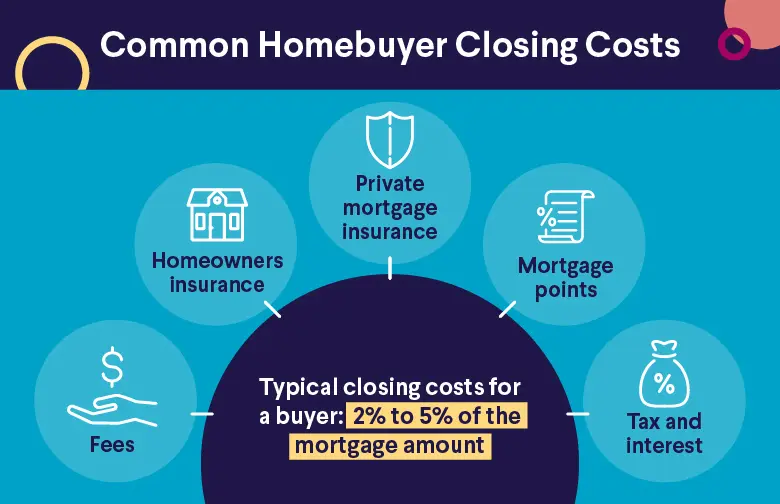
•  Closing costs for this mortgage typically range from 2% to 5% of the loan amount.

•  Principal and interest are the main components of monthly mortgage payments.

•  An escrow account may be used by lenders to ensure timely payment of property taxes and homeowners insurance.

•  The total interest paid on a $300,000 mortgage can vary significantly, from $185,367 to $418,527, depending on the interest rate and term of the loan.

How Much Can a $300,000 Mortgage Cost?

You can expect to run into a variety of costs when you take out a home loan. Most of the time these expenses can be broken down into three main categories:

Closing Costs

Closing costs are one-time costs that typically include loan processing fees, third-party services such as appraisals and title insurance, and government fees and taxes. You also may choose to pay discount points upfront on your loan to lower the interest rate. Closing costs can vary significantly, but they generally range from 2% to 5% of the loan amount.

Monthly Payments

The payments borrowers make monthly over the life of a mortgage usually include two main components:

•  Principal: This is the part of the mortgage payment that goes directly toward repaying the amount you borrowed.

•  Interest: This is the fee you pay the lender for borrowing money. The amount of interest you’ll pay each month will be calculated by multiplying your interest rate by your remaining loan balance.

Escrow

Your lender may collect and hold money in an escrow account to ensure that your homeowners insurance and property taxes are paid on time. The cost of living by state can vary widely and this is due in large part to taxes.

It’s important to pay attention to all your costs as you go through the homebuying process. You may be able to negotiate the amount of some of these expenses, which means doing some comparison shopping could help you save.

First-time homebuyers can
prequalify for a SoFi mortgage loan,
with as little as 3% down.

Questions? Call (888)-541-0398.

What Are the Monthly Payments for a $300,000 Mortgage?

To keep things simple, let’s eliminate any costs that might be associated with an escrow account to get a basic estimate of what a $300,000 mortgage payment might be each month.

Let’s say you wanted to buy a home for $340,000, and you had a down payment of $40,000. If your lender offered you a $300,000 loan with a 15-year fixed-rate term at a 6.00% interest rate, you could expect your monthly payment — principal and interest — to be about $2,531. If you took out a 30-year fixed-rate mortgage with a 6.00% APR, your payment could be about $1,796.

Here are some more examples that show what the difference can be for a 15-year fixed-rate loan vs. a 30-year fixed-rate loan, using SoFi’s Mortgage Calculator.

Interest Rate Payment with 15-year Loan Payment with 30-Year Loan
5.50% $2,451 $1,703
6.50% $2,613 $1,896
7.50% $2,781 $2,097

Recommended: Home Loan Help Center

How Much Interest Will You Pay on a $300,000 Mortgage?

The interest rate your lender gives you can make a big difference in the overall cost of your mortgage, and so can the mortgage term you choose. With a $300,000 home loan at a 7.00% rate, for example, the total amount you pay in interest could range from $185,367 to $418,527, depending on the length of the loan (15 vs. 30 years).

Spreading out your mortgage payments over a longer term can lower your monthly payment. But keep in mind that if you make this choice, you can expect to pay more for the loan overall. You can get more specific information by plugging various scenarios into a home affordability calculator.

💡 Quick Tip: If you refinance your mortgage and shorten your loan term, you could save a substantial amount in interest over the lifetime of the loan.

How Does Amortization Work for a $300,000 Mortgage?

Though your payment will remain the same every month (if you have a fixed-rate home mortgage loan), you can expect the amount you pay toward interest vs. principal to change over the life of your loan. In the first years, most of your payment will go toward interest. But as your balance goes down, more of your payment will go toward principal.

Your lender can provide you with a repayment schedule, or mortgage amortization schedule, that illustrates how the proportions will change over the length of your loan. Here’s a look at what the amortization schedules for a $300,000 mortgage with 30- and 15-year terms might look like. (Remember that your payments could include other costs besides principal and interest.)

Amortization Schedule, 30-Year Loan at 7.00% APR

         
Year Amount Paid Interest Paid Principal Paid Remaining Balance
1 $23,950.89 $20,903.46 $3,047.43 $296,952.57
2 $23,950.89 $20,683.16 $3,267.73 $293,684.84
3 $23,950.89 $20,446.94 $3,503.95 $290,180.89
4 $23,950.89 $20,163.64 $3,757.25 $286,423.64
5 $23,950.89 $19,922.02 $4,028.87 $282,394.77
6 $23,950.89 $19,630.78 $4,320.11 $278,074.66
7 $23,950.89 $19,318.48 $4,632.41 $273,442.24
8 $23,950.89 $18,983.60 $4,967.29 $268,474.95
9 $23,950.89 $18,624.51 $5,326.38 $263,148.57
10 $23,950.89 $18,239.47 $5,711.42 $257,437.15
11 $23,950.89 $17,826.59 $6,124.30 $251,312.85
12 $23,950.89 $17,383.86 $6,567.03 $244,745.82
13 $23,950.89 $16,909.13 $7,041.76 $237,704.06
14 $23,950.89 $16,400.08 $7,550.81 $230,153.25
15 $23,950.89 $15,854.23 $8,096.66 $222,056.60
16 $23,950.89 $15,268.93 $8,681.96 $213,374.63
17 $23,950.89 $14,651.31 $9,309.58 $204,065.05
18 $23,950.89 $13,968.32 $9,982.57 $194,082.48
19 $23,950.89 $13,246.67 $10,704.22 $183,378.26
20 $23,950.89 $12,472.87 $11,478.02 $171,900.23
21 $23,950.89 $11,643.12 $12,307.77 $159,592.46
22 $23,950.89 $10,753.39 $13,197.50 $146,394.96
23 $23,950.89 $9,799.34 $14,151.55 $132,243.41
24 $23,950.89 $8,776.32 $15,174.57 $117,068.84
25 $23,950.89 $7,679.35 $16,271.54 $100,797.31
26 $23,950.89 $6,503.08 $17,447.81 $83,349.50
27 $23,950.89 $5,241.78 $18,709.11 $64,640.39
28 $23,950.89 $3,889.29 $20,061.59 $44,578.79
29 $23,950.89 $2,439.04 $21,511.85 $23,066.94
30 $23,950.89 $883.95 $23,066.94 $0

Amortization Schedule, 15-Year Loan at 7.00% APR

         
Year Amount Paid Interest Paid Principal Paid Remaining Balance
1 $32,357.82 $20,628.42 $11,729.39 $288,270.61
2 $32,357.82 $19,780.51 $12,577.31 $275,693.29
3 $32,357.82 $18,871.29 $13,486.53 $262,206.77
4 $32,357.82 $17,896.47 $14,461.47 $247,745.30
5 $32,357.82 $16,850.93 $15,506.89 $232,238.41
6 $32,357.82 $15,729.93 $16,627.88 $215,610.52
7 $32,357.82 $14,527.90 $17,829.92 $197,780.60
8 $32,357.82 $13,238.98 $19,118.84 $178,661.76
9 $32,357.82 $11,856.87 $20,500.94 $158,160.82
10 $32,357.82 $10,374.86 $21,982.96 $136,177.86
11 $32,357.82 $8,785.71 $23,572.11 $112,605.75
12 $32,357.82 $7,081.68 $25,276.14 $87,329.61
13 $32,357.82 $5,254.46 $27,103.35 $60,226.26
14 $32,357.82 $3,295.16 $29,062.66 $31,163.60
15 $32,357.82 $1,194.22 $31,163.60 $0

Where Can a Borrower Get a $300,000 Mortgage?

Homebuyers have a few different choices when deciding where to go for a loan, including online banks and lenders, and traditional banks and credit unions. Rates and terms can vary from one lender to the next, so it can be a good idea to shop around for a mortgage that fits your specific needs and goals.

Before you start looking for quotes, though, you may want to look at the different types of mortgage loans you might qualify for. Would you be better off with a conventional or government-backed mortgage? Are you eligible for a VA loan or first-time homebuyer assistance? How many years do you want to make payments on your loan, and would you prefer a fixed or adjustable rate?

Once you settle on some loans that might work for you, you may want to read online reviews of the lenders you’re considering. A good old-fashioned pros-and-cons list could also help you evaluate the possibilities.


Get matched with a local
real estate agent and earn up to
$9,500 cash back when you close.

How to Get a $300,000 Mortgage

Whether you’re a first-time homebuyer or you’ve done this before, the home-buying and mortgage process can be a little daunting. By breaking it down into some manageable steps, you may be able to make things a little easier.

Start by Determining How Much You Can Afford

Looking at your income, debt, monthly spending, credit status, and how much you’ve saved for a down payment can be a good starting point when you’re trying to figure out how much house you can afford. This can help you decide how much of a down payment and monthly payment you can handle.

Research Different Loans and Lenders

Once you know what you can afford to spend, you can start looking for the loan type, interest rate, loan term, and lender that meet your needs. The mortgage professional you choose to work with should be able to walk you through your options and help you evaluate their pros and cons.

Get Preapproved

Once you’ve chosen a loan and lender, it can be a good idea to go through the mortgage preapproval process. Getting a letter from your lender that says you’re preapproved for a certain loan amount can let sellers know you’re a serious buyer. (This could be especially helpful if you find yourself in a bidding war.)

Go House Hunting

With your preapproval letter in hand, you can start your home search — and potentially make an offer on a house. And because you’re prepared and know how much you can afford, you and your real estate agent can target homes in an appropriate price range.

Submit a Full Mortgage Application

When you find a home and you’re ready to seal the deal, you can work with your lender to fill out a formal loan application. Be ready: Your lender will likely ask for more financial information and documentation before approving the loan.

Prepare for Closing

While you’re waiting for your final loan approval and a closing date from your lender, you can shop for homeowners insurance, get a home inspection, and make sure you have all the money you’ll need for your down payment and closing costs.

Take Ownership of Your New Home

At the closing, you’ll be asked to sign a lot of paperwork, and you’ll hand over the necessary funds to make the purchase. Finally — congratulations! — you’ll get the keys to your new home.

Recommended: Tips to Qualify for a Mortgage

How Much House Can You Afford Quiz

The Takeaway

Researching the different costs you might have to pay when taking out a $300,000 mortgage could help you avoid any unpleasant surprises during the homebuying process and improve your chances of sticking to your budget. The decisions you make about the type of loan you get, the interest rate, loan term, and other costs will all impact how much you pay every month — and what you’ll pay for the loan overall. So it can be a good idea to run the numbers and evaluate your options before you decide on a particular loan.

Looking for an affordable option for a home mortgage loan? SoFi can help: We offer low down payments (as little as 3% - 5%*) with our competitive and flexible home mortgage loans. Plus, applying is extra convenient: It's online, with access to one-on-one help.

SoFi Mortgages: simple, smart, and so affordable.

FAQ

How much is a $300,000 mortgage payment per month?

The monthly payment for a $300,000 mortgage could range from about $1,700 a month to more than $2,700. Your payment will depend on several factors, including your interest rate and loan term.

How much income is required for a $300,000 mortgage?

An annual income in the $90,000-$100,000 range would qualify for a $300,000 mortgage as long as the borrower has few other debts. Mortgage lenders don’t make their decisions based on salary alone. You can expect your lender to look at several factors, including your debt, your credit rating and other factors before deciding how much you’re qualified to borrow.

How much is a down payment on a $300,000 mortgage?

If you borrowed $300,000 and were putting down 20% on the property to avoid having to pay for mortgage insurance, your down payment would be around $75,000 (for a home priced at $375,000). But many borrowers put down less than 20%. A down payment of 3% on a home priced at $310,000 would cost you less than $10,000, and in this scenario you would also have a $300,000 mortgage.

Can I afford a $300,000 mortgage on a $70,000 salary?

If you can keep your monthly debt payments (housing costs and other debts combined) below $2,100 a month, you might be able to afford a $300,000 mortgage on a $70,000 salary, but it could be a stretch. How much mortgage you can afford usually depends on your income and other debts you may have, such as car loans, credit cards, and student loans.


Photo credit: iStock/irina88w

SoFi Loan Products
SoFi loans are originated by SoFi Bank, N.A., NMLS #696891 (Member FDIC). For additional product-specific legal and licensing information, see SoFi.com/legal. Equal Housing Lender.

SoFi Mortgages
Terms, conditions, and state restrictions apply. Not all products are available in all states. See SoFi.com/eligibility-criteria for more information.


*SoFi requires Private Mortgage Insurance (PMI) for conforming home loans with a loan-to-value (LTV) ratio greater than 80%. As little as 3% down payments are for qualifying first-time homebuyers only. 5% minimum applies to other borrowers. Other loan types may require different fees or insurance (e.g., VA funding fee, FHA Mortgage Insurance Premiums, etc.). Loan requirements may vary depending on your down payment amount, and minimum down payment varies by loan type.

‡Up to $9,500 cash back: HomeStory Rewards is offered by HomeStory Real Estate Services, a licensed real estate broker. HomeStory Real Estate Services is not affiliated with SoFi Bank, N.A. (SoFi). SoFi is not responsible for the program provided by HomeStory Real Estate Services. Obtaining a mortgage from SoFi is optional and not required to participate in the program offered by HomeStory Real Estate Services. The borrower may arrange for financing with any lender. Rebate amount based on home sale price, see table for details.

Qualifying for the reward requires using a real estate agent that participates in HomeStory’s broker to broker agreement to complete the real estate buy and/or sell transaction. You retain the right to negotiate buyer and or seller representation agreements. Upon successful close of the transaction, the Real Estate Agent pays a fee to HomeStory Real Estate Services. All Agents have been independently vetted by HomeStory to meet performance expectations required to participate in the program. If you are currently working with a REALTOR®, please disregard this notice. It is not our intention to solicit the offerings of other REALTORS®. A reward is not available where prohibited by state law, including Alaska, Iowa, Louisiana and Missouri. A reduced agent commission may be available for sellers in lieu of the reward in Mississippi, New Jersey, Oklahoma, and Oregon and should be discussed with the agent upon enrollment. No reward will be available for buyers in Mississippi, Oklahoma, and Oregon. A commission credit may be available for buyers in lieu of the reward in New Jersey and must be discussed with the agent upon enrollment and included in a Buyer Agency Agreement with Rebate Provision. Rewards in Kansas and Tennessee are required to be delivered by gift card.

HomeStory will issue the reward using the payment option you select and will be sent to the client enrolled in the program within 45 days of HomeStory Real Estate Services receipt of settlement statements and any other documentation reasonably required to calculate the applicable reward amount. Real estate agent fees and commissions still apply. Short sale transactions do not qualify for the reward. Depending on state regulations highlighted above, reward amount is based on sale price of the home purchased and/or sold and cannot exceed $9,500 per buy or sell transaction. Employer-sponsored relocations may preclude participation in the reward program offering. SoFi is not responsible for the reward.

SoFi Bank, N.A. (NMLS #696891) does not perform any activity that is or could be construed as unlicensed real estate activity, and SoFi is not licensed as a real estate broker. Agents of SoFi are not authorized to perform real estate activity.

If your property is currently listed with a REALTOR®, please disregard this notice. It is not our intention to solicit the offerings of other REALTORS®.

Reward is valid for 18 months from date of enrollment. After 18 months, you must re-enroll to be eligible for a reward.

SoFi loans subject to credit approval. Offer subject to change or cancellation without notice.

The trademarks, logos and names of other companies, products and services are the property of their respective owners.

Financial Tips & Strategies: The tips provided on this website are of a general nature and do not take into account your specific objectives, financial situation, and needs. You should always consider their appropriateness given your own circumstances.
Tax Information: This article provides general background information only and is not intended to serve as legal or tax advice or as a substitute for legal counsel. You should consult your own attorney and/or tax advisor if you have a question requiring legal or tax advice.
Third Party Trademarks: Certified Financial Planner Board of Standards Center for Financial Planning, Inc. owns and licenses the certification marks CFP®, CERTIFIED FINANCIAL PLANNER®
Checking Your Rates: To check the rates and terms you may qualify for, SoFi conducts a soft credit pull that will not affect your credit score. However, if you choose a product and continue your application, we will request your full credit report from one or more consumer reporting agencies, which is considered a hard credit pull and may affect your credit.

SOHL-Q425-187

Read more
TLS 1.2 Encrypted
Equal Housing Lender