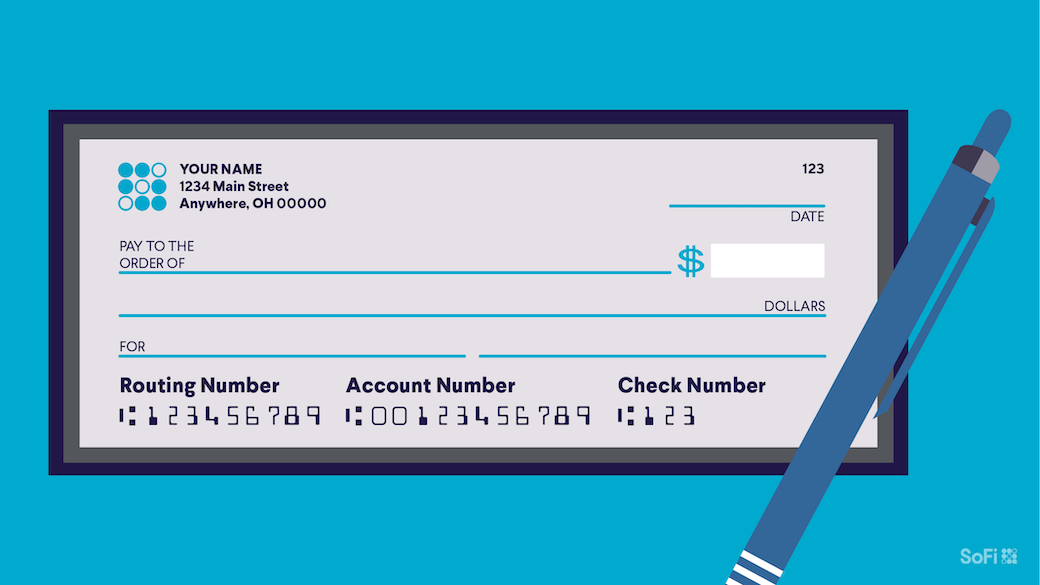
8 Ways to Organize Your Bills

Regularly paying your bills on time can help you avoid doling out money on interest and fees. It can also help build your credit score, which might help you snag the best interest rates when qualifying for loans or getting a credit card.

Fortunately, organizing your bills isn’t hard. You might use an old-school accordion folder and a calculator to manage the process. Or you might decide to handle the whole process digitally.

Here are some smart ideas for how to organize those bills.

Key Points

•  Setting up a dedicated space (at a desk or in the cloud) for bill management and storage can streamline the process.

•  Creating a master list of all monthly bills helps track payments.

•  Adjusting due dates can ease financial pressure.

•  Using reminders or specific days for bill payments can be effective.

•  Keeping records of all payments, whether digital or physical, can be crucial for financial management.

1. Setting Up a Bill-Paying Station

Do you have a convenient spot where you can open, organize, and pay your bills? If you get paper bills, consider setting up a dedicated desk or area or (if space is tight) a roll-away cart. The goal is simply to keep everything in one place, instead of scattered around in your car, bag, or on the kitchen counter.

It’s a good idea to stock your station with all the items you’ll need to get the job done. Depending on how you pay your bills, this might include: envelopes, stamps, pens, your checkbook, a calendar, a filing system for sorting paper bills as they arrive, and storing those you’ve paid.

Or, if you pay your bills digitally, you could set up a separate virtual bill paying space. You might, for instance, set up an email account just for bills. This will ensure that you don’t overlook an electronic bill in the midst of the other emails you receive. You might also use your current email and create a folder, with subfolders, for anything related to your finances. That way, you’ll know exactly where to look if you need to check on a bill or other financial correspondence.

Increase your savings
with a limited-time APY boost.*


*Earn up to 4.00% Annual Percentage Yield (APY) on SoFi Savings with a 0.70% APY Boost (added to the 3.30% APY as of 12/23/25) for up to 6 months. Open a new SoFi Checking and Savings account and pay the $10 SoFi Plus subscription every 30 days OR receive eligible direct deposits OR qualifying deposits of $5,000 every 31 days by 1/31/26. Rates variable, subject to change. Terms apply here. SoFi Bank, N.A. Member FDIC.

2. Making a Master List of Monthly Bills

Creating a list of every single bill you pay can be another way to help ensure that nothing falls through the cracks. It can also help you see where your money goes and how much money you have left after paying bills (if any).

You can do this with pen and paper, or create a printed out or online spreadsheet that includes a column for each month (allowing you to simply check off each bill as it gets paid). Check your bank account and credit card statements for bills you pay less frequently (annual subscriptions, quarterly membership fees, tax bills, etc.), and anything that’s on autopay.

For each bill, consider including: the vendor/service provider/lender, the account number, contact information, the bill’s due date, the date you think you should send/make the payment so it’s always on time.

For loan/credit card bills, you may want to also include the balance owed, and the minimum monthly payment.

You can use this list to make decisions about which bills you might want to set up by automating your finances and which you’ll pay manually.

And once it’s done, you can keep a copy on your bulletin board and/or in your files to use as a checklist.

Recommended: How to Pay Bills When You’ve Lost Your Job

3. Using Automatic Payments When Appropriate

Looking for other ideas on how to organize bills? There are two basic automatic bill payment options.

•   One is setting up automatic debit payments with a merchant or service, which involves giving them your checking account or debit card number and authorizing them to withdraw money on a recurring basis to pay a bill.

•   Another way is to authorize your bank or credit union’s bill pay service to send recurring payments to a company.

Either way you set it up, there are both pros and cons to using automatic payments, or autopay.

Here are the pros:

•   Autopay can help simplify your finances, since you don’t have to write out checks or log on to various websites to pay online every month.

•   It also ensures that it happens. The money is whisked out of your account before you have a chance to think about it or forget to think about it. Automating this process can help you save on interest and fees.

Here are the cons, because that out-of-sight-out-of-mind factor has a downside.

•   Autopay can make it easier to forget that you’re still paying for a subscription service you don’t use anymore, for example, or you might not notice when a bill’s amount is incorrect.

•   If you don’t have enough money in your account when an autopay bill goes through, you could end up overdrafting your account, which can lead to overdraft or NSF fees.

If you generally have plenty of money in your account and you regularly check your bank and credit card statements to make sure the charges are accurate, autopay might be a good fit.

But if your account balance fluctuates, or you’re likely to forget about small or infrequent charges if they’re paid automatically, you may want to use a different payment method (or at least for certain bills).

One other point: If many of your bills hit on the same day of the month, you might talk to some of your payees about whether you can change your bill due date. That could help you spread out payments over the month is a way that eases your financial pressure.

4. Putting a Bill Paying System in Place

Once you’ve decided which (if any) bills you’ll manage with automatic payments, you can move on to choosing a strategy for paying all your other bills, as well as keeping track of autopayments.

You can go as full-on techie as you like, or handle it with classic pencil and paper. The key is simply having a system.

Some options to think about:

Paying Bills Right Away

There’s no reason you have to wait for a specific day of the week or month to pay your bills. With this method, you would just open and pay bills as they arrive in the mail or online.

Setting up Reminders

Another option is to set up reminders for when you need to pay each bill, whether in your digital calendar or a paper one, if you use it. In addition, some companies and service providers allow you to sign up for bill reminder emails or texts.

Paying Bills on a Specific Day

If you don’t want to (or can’t always) sit down immediately to write a check or get online to pay, you could make it a weekly, biweekly or monthly routine.

With this method, you would file any bills that arrive in a “to pay” folder or inbox. You might also consider opening them and organizing them by the due date.

If the due dates are all over the place or difficult to manage, you may be able to get the dates adjusted simply by calling or emailing the company or service provider. It’s also a good idea to go through autopay notices to make sure you agree with the amounts charged.

Choosing the Best Way to Pay Manually

Many service providers and lenders offer customers several different methods for paying their bills.

Besides autopay, you might be able to use an app, a website, an automated phone system, deliver a payment in person, or send it in the mail.

No matter which option you choose, try to remember to always keep some sort of record of the payment in your files.

5. Keeping Good Records

In addition to checking off each paid bill on your master list, you may also want to create a system for managing your records after you’ve made your payments.

One option is to file paper copies of all your bills, noting on each how much you paid, when you paid, and how you paid (including any confirmation numbers for online or phone payments or check numbers for payments you mailed). If any of these bills are needed for tax purposes, you may want to make a copy and file it with your yearly tax documents.

Another option is to scan each bill and file them digitally on your computer’s hard drive or in the cloud, using a folder for the year that has subfolders for each month.

You may also want to create a real or digital file with all your credit and debit card receipts until you have a chance to reconcile them with your statements. (It’s a good idea to hold onto any receipt, bill, or statement until you’re absolutely sure you won’t need it for taxes or some other purpose, such as an insurance claim.)

6. Designating a Family Bookkeeper

Here’s another way to go about organizing your bills. If one spouse or partner has a knack for organization and bookkeeping and the other is less inclined, you might want to have the “numbers” person take the lead on the household’s bill-paying duties. (Have you ever missed a payment because you each thought the other would take care of it?)

Another option is to sit down together to work through the bills. Or, you might decide to alternate from month to month. You could make it a “money date” and do it over coffee at home.

No matter which approach you choose, consider setting up a regular time to sit down together and review the household budget, see how you stand, and make sure you both have access to account information, including passwords.

You also may want to consider setting up a separate account for paying household bills.

7. Using Budgeting Tools/Apps

Technology can step in and help you manage your bills, too. There are an array of ways to track your spending and paying. Your financial institution may offer digital tools for this, or you can download apps for this purpose, whether free or paid options.

You might want to experiment with a few and see which suits you best, depending on, say, whether pumping up your savings account or avoiding late payments is your key goal with organizing your finances.

8. Using the Cash Envelope Method

There are a variety of budget techniques you might use. One popular one is the envelope method, which involves setting key budget categories, writing the name of each on an envelope, and putting the designated amount of cash for the month ahead into it.

Then you pay the bills from the appropriate envelope as needed. Once the money from an envelope is gone, it’s gone. You either have to forego spending in that category or else borrow from another envelope.

For those who prefer not to use cash, this program can be adapted to involve debit card payments or checks.

Recommended: Savings Calculator

The Takeaway

Setting up a simple bill organization system can save you time, stress, as well as money, and can also make it easy to access records you need come tax time. Smart ways to organize your bills include creating a master list of all your monthly bills, deciding when autopay makes sense (and when it might not), and creating a virtual or actual filing system to track and streamline the bill paying process.

You might have to try a few different methods to figure out what works best for your situation. Another move that might help you get your finances organized is finding the right banking partner.

Interested in opening an online bank account? When you sign up for a SoFi Checking and Savings account with eligible direct deposit, you’ll get a competitive annual percentage yield (APY), pay zero account fees, and enjoy an array of rewards, such as access to the Allpoint Network of 55,000+ fee-free ATMs globally. Qualifying accounts can even access their paycheck up to two days early.


Better banking is here with SoFi, NerdWallet’s 2024 winner for Best Checking Account Overall.* Enjoy 3.30% APY on SoFi Checking and Savings with eligible direct deposit.

FAQ

What bills are most important to pay?

While all bills are important to pay, basic living expenses (the things that keep you up and running, such as rent, utilities, and healthcare) and debt (student loan payments, for instance) can be priorities.

How do I organize my monthly expenses?

There are many ways to organize your monthly expenses, depending on your personal preferences and financial style. You might use an app or pencil and paper; you could try the envelope budgeting method or set up autopay. Many people try a couple of techniques before they land on one that suits them best.

How do you simplify bill payments?

Many people find that either using an app or automating their bills makes payment simpler. Your bank might offer a good app, or you can download one. And automating bill payments is something that vendors may set up for you or you can set up with your financial institution.


SoFi Checking and Savings is offered through SoFi Bank, N.A. Member FDIC. The SoFi® Bank Debit Mastercard® is issued by SoFi Bank, N.A., pursuant to license by Mastercard International Incorporated and can be used everywhere Mastercard is accepted. Mastercard is a registered trademark, and the circles design is a trademark of Mastercard International Incorporated.

Annual percentage yield (APY) is variable and subject to change at any time. Rates are current as of 12/23/25. There is no minimum balance requirement. Fees may reduce earnings. Additional rates and information can be found at https://www.sofi.com/legal/banking-rate-sheet

Eligible Direct Deposit means a recurring deposit of regular income to an account holder’s SoFi Checking or Savings account, including payroll, pension, or government benefit payments (e.g., Social Security), made by the account holder’s employer, payroll or benefits provider or government agency (“Eligible Direct Deposit”) via the Automated Clearing House (“ACH”) Network every 31 calendar days.

Although we do our best to recognize all Eligible Direct Deposits, a small number of employers, payroll providers, benefits providers, or government agencies do not designate payments as direct deposit. To ensure you're earning the APY for account holders with Eligible Direct Deposit, we encourage you to check your APY Details page the day after your Eligible Direct Deposit posts to your SoFi account. If your APY is not showing as the APY for account holders with Eligible Direct Deposit, contact us at 855-456-7634 with the details of your Eligible Direct Deposit. As long as SoFi Bank can validate those details, you will start earning the APY for account holders with Eligible Direct Deposit from the date you contact SoFi for the next 31 calendar days. You will also be eligible for the APY for account holders with Eligible Direct Deposit on future Eligible Direct Deposits, as long as SoFi Bank can validate them.

Deposits that are not from an employer, payroll, or benefits provider or government agency, including but not limited to check deposits, peer-to-peer transfers (e.g., transfers from PayPal, Venmo, Wise, etc.), merchant transactions (e.g., transactions from PayPal, Stripe, Square, etc.), and bank ACH funds transfers and wire transfers from external accounts, or are non-recurring in nature (e.g., IRS tax refunds), do not constitute Eligible Direct Deposit activity. There is no minimum Eligible Direct Deposit amount required to qualify for the stated interest rate. SoFi Bank shall, in its sole discretion, assess each account holder's Eligible Direct Deposit activity to determine the applicability of rates and may request additional documentation for verification of eligibility.

See additional details at https://www.sofi.com/legal/banking-rate-sheet.

*Awards or rankings from NerdWallet are not indicative of future success or results. This award and its ratings are independently determined and awarded by their respective publications.

Financial Tips & Strategies: The tips provided on this website are of a general nature and do not take into account your specific objectives, financial situation, and needs. You should always consider their appropriateness given your own circumstances.

This content is provided for informational and educational purposes only and should not be construed as financial advice.

Tax Information: This article provides general background information only and is not intended to serve as legal or tax advice or as a substitute for legal counsel. You should consult your own attorney and/or tax advisor if you have a question requiring legal or tax advice.

Disclaimer: Many factors affect your credit scores and the interest rates you may receive. SoFi is not a Credit Repair Organization as defined under federal or state law, including the Credit Repair Organizations Act. SoFi does not provide “credit repair” services or advice or assistance regarding “rebuilding” or “improving” your credit record, credit history, or credit rating. For details, see the FTC’s website .

Third Party Trademarks: Certified Financial Planner Board of Standards Center for Financial Planning, Inc. owns and licenses the certification marks CFP®, CERTIFIED FINANCIAL PLANNER®

SOBNK-Q225-016

Read more
hand paper house mobile

How to Negotiate House Price as a Buyer

Buyers who learn how to negotiate house prices lay the foundation for a mutually acceptable deal. Whether you’re a first-time homebuyer or not, these strategies to negotiate home prices may help you score a property at the price that works best for you.

Key Points

•   Research the market to understand home values and trends in the desired area.

•   Determine a fair offer by comparing similar properties and recent sales.

•   Consider the home’s condition and necessary repairs when making an offer.

•   Negotiate with the seller, starting with a lower offer and being prepared to compromise.

•   Get preapproved for a mortgage to strengthen the offer and show financial readiness.

Why You Should Negotiate House Prices

While negotiating the price of a home as a buyer can seem intimidating, the benefits may make it worth overcoming the reluctance. For starters, negotiating lets the seller know you’re serious about the home. And if the asking price is higher than you feel comfortable with, negotiating can help you see if there is any wiggle room.

A successful negotiation gives you the opportunity to create a concise offer that you’re happy with and that helps you stay within your budget. It can feel great to get the house you want without putting yourself in a stressful financial situation.

Things to Know Before Negotiating Home Prices

Know Your Market

The market will dictate how much leverage you have to negotiate a home price. So start by determining whether it’s a hot seller’s market or a buyer’s market.

The power is typically in your hands if the number of homes for sale exceeds the number of willing buyers. Markets can vary from city to city and neighborhood to neighborhood. So check with your real estate professional to be certain what type of market you’re working with.

Know the Value of an Agent

Can you buy a house without a real estate agent? Sure, but it’s not a decision to make lightly.

Besides the fact that real estate agents know what’s reasonable for the current market conditions, they have valuable experience that can help you navigate offers and counteroffers. And because they aren’t emotionally attached to the outcome, they are better set up to get the best deal without making ​​excessive concessions.

But you don’t want to work with just any agent. You want to work with someone who is a buying and selling expert, has connections with other agents in the area, and is knowledgeable about the community you’re interested in.

Got your eye on a house for sale by owner? You can find a real estate agent or go it alone.

Recommended: Finding a Good Real Estate Agent When Buying a House

First-time homebuyers can
prequalify for a SoFi mortgage loan,
with as little as 3% down.

Questions? Call (888)-541-0398.


How Much Can You Negotiate on Average?

One of the best ways to get an idea of how much you can negotiate is to research the prices of “comps,” recently sold homes in your target area that are similar to the property you’re trying to buy.

A real estate agent will have access to market trends. But you can obtain the information yourself on sites like Zillow, Realtor.com, Redfin, and Trulia. If you’re moving from out of state, this guide to the cost of living by state can give you a sense of what housing expenses to expect. In a large state such as California, it’s helpful to consider the cost-of-living breakdown for individual cities.

Zillow also lists how long for-sale properties have been on the market, which can give you some insight into how negotiable a list price may be.

Unless you’re in a hot seller’s market, you may be able to offer 10% under the asking price and even ask the seller to pay closing costs or certain other concessions.

How to Negotiate a House Price as a Buyer

Once you have a sense of the market and an agent to help you negotiate, the next step is to get your finances in order so you’ll be in a strong position to negotiate. Sellers are apt to be most enthusiastic about buyers who have been preapproved, as opposed to prequalified, for a mortgage.

While both involve a lender taking a peek at your financial information, such as income, credit history, debts, and assets, preapproval involves an in-depth application and verification process. It signals sellers that you’re seriously pursuing mortgage loans, so it’s a great way to send your offer to the top of the pile.

If you already own a home, selling it ahead of time could also put you in a better position to negotiate: It means you won’t have to wait until your home is sold to go forward with the buying process.

This “chain-free” approach requires careful timing and possibly setting up a temporary living space. While it’s not feasible for everyone, it is an option to keep in mind if you’re hoping to increase your odds of success in a competitive market.

Recommended: How Long Does a Mortgage Preapproval Last?

Tips on Negotiating House Prices

Keep Your Cool

From the first time you walk through the home, it’s a good idea not to show all your cards by appearing overeager, even if you’re totally in love with the place. If you come across as desperate for the house, sellers may feel they can expect a higher offer from you.

Don’t be afraid to point out any drawbacks that give you pause, and give yourself time to shop around before you get serious about putting money on the table.

Get an Inspection

Found a property you love? While your mortgage lender might not require a home inspection — and while forgoing one may make your offer more appealing to the seller — it’s probably in your best interests to have one.

Without a home inspection, the only information you have about the house comes from what the seller is able (or willing) to disclose and what you observe during your tour. Home inspections can reveal hidden issues like cracks in the foundation or plumbing problems.

Along with helping you plan for unforeseen repair costs ahead of time, the inspection can also give you leverage to ask the sellers to knock down their price a bit, offer you a credit for closing costs, or fix the problem themselves. Your real estate agent can help you decide how to negotiate the house price after the inspection.

Put Your Offer in Writing

Many experts recommend putting your offer in writing and adding as much detail as possible. That way you avoid any disagreements on what was said and can negotiate on factors beyond price.

When competing against multiple offers on a house, buyers may waive one or all contingencies to sweeten their offer. Contingencies are simply conditions that must be met in order to close the deal.

An appraisal contingency can be an opportunity to negotiate the home price or back out if the property does not appraise at the price in the purchase contract.

A clear title contingency also gives the buyer a way out if liens or disputes are associated with the property.

And it can’t hurt to ask for help with closing costs.

Plead Your Case

In a competitive market, you might also consider adding a personalized letter to your offer. It might sound cheesy, but selling a home can be just as emotionally fraught as buying one. Describing why you love the house or how you imagine your family growing with the property can help your offer stand out from others, even if you aren’t the highest bidder.

Avoid offending a seller with a lowball offer, particularly if you’re negotiating in a seller’s market or purchasing a beloved property that’s been in the family for years. If you do decide to bid around 20 percent under the asking price, make sure you’re willing to walk away.

When it comes time to make an offer, consider not only the list price but closing costs and any repair or renovation expenses.

Knowing When to Walk Away From an Offer

Although you’ll generally hear back on (realistic) offers within a few business days, sellers aren’t legally obligated to respond to your offer at all. Including an expiration date in your offer will give you a firm calendar date on which you’ll know for a fact you didn’t get the home, which means you’ll be able to redirect your efforts.

Purchasing a home can take a long time. There’s no reason to waste your energy when it’s a lost cause.

A seller who responds to your offer but who isn’t inclined to move on the price of the house might be willing to instead make repairs that are needed and that are identified during the inspection of the property. And consider asking the seller to throw in items like furniture or play equipment that they might be planning to take with them. If they decline and you still don’t feel good about the price, it’s time to walk away.

The Takeaway

Negotiation is crucial in love and war, in a salary decision, between parents and toddlers, and in real estate. If you’re a buyer, the more you know about negotiating home prices, the better.

Looking for an affordable option for a home mortgage loan? SoFi can help: We offer low down payments (as little as 3% - 5%*) with our competitive and flexible home mortgage loans. Plus, applying is extra convenient: It's online, with access to one-on-one help.


SoFi Mortgages: simple, smart, and so affordable.

FAQ

How do you politely ask for a lower price?

Rely on your real estate agent to help you determine a good offer price. Then consider writing a personal letter to accompany the offer, addressing the seller by name if possible and conveying, in a friendly tone, a sincere message about what you like about the house or how you can imagine your family living there.

How much can you negotiate when buying a house?

How much you can negotiate depends on how “hot” the market is. In a competitive seller’s market you may not be able to negotiate at all. Rely on your real estate agent to guide you. A property that has been on the market for a long time may provide more opportunity for negotiation.

What is not a smart way to negotiate when buying a home?

Avoid making a very low initial offer — you risk offending the seller. And don’t criticize the seller’s taste by, say, pointing out that the kitchen decor isn’t to your liking. Finally, if you are preapproved for a mortgage that is greater than your offer price, don’t tip your hand; instead, ask your lender to tailor the preapproval letter to the amount you are offering.


*SoFi requires Private Mortgage Insurance (PMI) for conforming home loans with a loan-to-value (LTV) ratio greater than 80%. As little as 3% down payments are for qualifying first-time homebuyers only. 5% minimum applies to other borrowers. Other loan types may require different fees or insurance (e.g., VA funding fee, FHA Mortgage Insurance Premiums, etc.). Loan requirements may vary depending on your down payment amount, and minimum down payment varies by loan type.

SoFi Loan Products
SoFi loans are originated by SoFi Bank, N.A., NMLS #696891 (Member FDIC). For additional product-specific legal and licensing information, see SoFi.com/legal. Equal Housing Lender.


SoFi Mortgages
Terms, conditions, and state restrictions apply. Not all products are available in all states. See SoFi.com/eligibility-criteria for more information.


Financial Tips & Strategies: The tips provided on this website are of a general nature and do not take into account your specific objectives, financial situation, and needs. You should always consider their appropriateness given your own circumstances.

Third-Party Brand Mentions: No brands, products, or companies mentioned are affiliated with SoFi, nor do they endorse or sponsor this article. Third-party trademarks referenced herein are property of their respective owners.

SOHL-Q225-006

Read more

How Much Will a $150,000 Mortgage Cost per Month?

The monthly cost of a $150K mortgage will vary depending on the type of loan, the interest rate, and the length of the loan. Mortgage loan terms are typically either 15 years or 30 years. The monthly payments for a 15-year loan are significantly higher than those for a 30-year loan; however, the lifetime cost of a shorter loan term is usually lower because, overall, you will pay less interest.

There are also additional costs to consider, such as private mortgage insurance (PMI) charged on some loans, condo or HOA fees, and any hazard insurance that may be required because of the location of the home. Here’s a look at how much a $150,000 mortgage might cost per month for a 15-year and 30-year loan term.

Key Points

•   A $150,000 mortgage at 6.00% interest over 30 years results in a monthly payment of approximately $900.

•   In addition to your mortgage principal and interest, your monthly payment may include property taxes and insurance.

•   Adjustable-rate mortgages (ARMs) offer lower initial rates, but payments can increase over time.

•   Fixed-rate mortgages provide stable monthly payments, making budgeting easier.

•   Prepayment can reduce the total interest paid and shorten the loan term.

Total Cost of a $150K Mortgage

A $150,000 30-year mortgage with a 6.00% interest rate costs around $900 a month. The same loan over 15 years costs around $1,266 a month. However, these are just estimates; the exact costs will depend on your loan’s term and other “hidden” costs.

The monthly payment includes the principal and interest, but if you’re a a first-time buyer, you may not realize that escrow, taxes, and insurance might be additional line items. There are also upfront costs, or closing costs, that are paid when the purchase is initially finalized.

Upfront Costs

Upfront costs are the costs you pay once your offer on a home has been accepted. They are typically called closing costs, and some of them might be covered by your down payment.

Earnest Money

Also known as a good faith deposit, this is the money you put down to show the seller you are serious about buying their property. The amount will differ based on the price of the home.

Down Payment

Your down payment will likely be the biggest upfront cost you will have. The amount will vary depending on your lender, but typically it will be between 3% and 20% of the cost of the house. The more you can afford as a down payment, the lower your total loan will be, and the less you will have to pay each month in principal and interest. The following are the typical minimum down payments for the various types of home loans:

•   Conventional loan with mortgage insurance: 3%

•   Conventional loan without mortgage insurance: 20%

•   Federal Housing Administration loan: 3.5%

•   Veteran Affairs loan: 0%

•   U.S. Department of Agriculture loan: 0%

Closing Costs

The lender that makes your mortgage loan will charge administration fees, including the origination fee, underwriting fees, and application fees. You can also expect to pay taxes associated with transferring the title on the property, and you may need to pay for the cost of the home’s appraisal at the closing as well.

Bear in mind that your mortgage lender may want to see that you have enough money in your bank account to pay for at least two months of mortgage payments after paying closing costs and the down payment. This amount is called “reserves.” It’s not something that you will have to pay, but it is an amount you may need to show will be available to you after you have paid other expenses.

First-time homebuyers can
prequalify for a SoFi mortgage loan,
with as little as 3% down.

Questions? Call (888)-541-0398.


Long-Term Costs

The biggest long-term cost of buying a home is usually the monthly mortgage payment, which includes a portion of the principal (the amount you borrowed) plus the interest. Here are some other costs you can expect:

Property Taxes

The seller or their real estate agent should be able to give you a sense of what the annual property taxes will be on your new home, although taxes may change annually.

HOA, Condo, or Co-op Fees

Some homes are part of a condominium association, a co-op, or a Homeowners Association (HOA). Homeowners pay a monthly fee and receive benefits, such as grounds maintenance, use of a community center, or snow removal. These fees can range anywhere from $100 to $1,000 a month or more, depending on the association and location.

Home Upkeep

Home repair costs are highly variable but as a general rule you can expect to pay out around 1% of the home’s value each year for routine maintenance.

Insurance

You will of course need to insure your new home and its contents. You might also need to purchase hazard insurance if your area is at high risk for floods, earthquakes, wildfires, severe storms, or other natural disasters. The cost of hazard insurance can be between 0.25% to 0.33% of the home’s value for a year-long policy.

If you paid a smaller down payment, your mortgage lender may also require you to pay monthly private mortgage insurance (PMI) because you are considered a higher risk.

Recommended: Home Loan Help Center

Estimated Monthly Payments on a $150K Mortgage

The table below shows the estimated monthly payments for a $150,000 mortgage loan for both a 15-year and a 30-year loan with interest rates varying from 4% to 8%.

Interest rate 15-year term 30-year term
5% $1,186 $805
5.50% $1,226 $852
6.00% $1,266 $899
6.50% $1,307 $948
7.00% $1,348 $998
7.50% $1,391 $1,049
8.00% $1,433 $1,101

How Much Interest Is Accrued on a $150K Mortgage?

The amount of interest you pay on a $150,000 mortgage will depend on the length of the loan and the interest rate. For a 15-year loan with a 6.00% interest rate, the interest would amount to around $77,841 over the life of the loan. For a 30-year loan with a 6.00% interest rate, the interest would amount to $173,755, which is more than double.

$150K Mortgage Amortization Breakdown

An amortization schedule for a mortgage loan tells you when your last payment will be. It also shows you how much of your monthly payment goes toward paying off the principal and how much goes toward paying off the interest. Most of your payment will be used to pay off the interest early on in the loan term.

Below is the mortgage amortization breakdown for a $150,000 mortgage with a 6.00% interest rate for a 30-year loan.

Year Beginning balance Interest paid Principal paid Ending balance
1 $150,000 $7,159.91 $1,473.61 $118,526.39
2 $118,526.39 $7,069.02 $1,564.50 $116,961.88
3 $116,961.88 $6,972.53 $1,661.00 $115,300.88
4 $115,300.88 $6,870.08 $1,763.45 $113,537.44
5 $113,537.44 $6,761.32 $1,872.21 $111,665.23
6 $111,665.23 $6,645.84 $1,987.68 $109,677.54
7 $109,677.54 $6,523.25 $2,110.28 $107,567.26
8 $107,567.26 $6,393.09 $2,240.44 $105,326.83
9 $105,326.83 $6,254.90 $2,378.62 $102,948.20
10 $102,948.20 $6,108.20 $2,525.33 $100,422.87
11 $100,422.87 $5,952.44 $2,681.09 $97,741.78
12 $97,741.78 $5,787.08 $2,846.45 $94,895.33
13 $94,895.33 $5,611.51 $3,022.02 $91,873.31
14 $91,873.31 $5,425.12 $3,208.41 $88,664.91
15 $88,664.91 $5,227.23 $3,406.29 $85,258.61
16 $85,258.61 $5,017.14 $3,616.39 $81,642.23
17 $81,642.23 $4,794.09 $3,839.44 $77,802.79
18 $77,802.79 $4,557.28 $4,076.25 $73,726.54
19 $73,726.54 $4,305.87 $4,327.66 $69,398.88
20 $69,398.88 $4,038.95 $4,594.58 $64,804.30
21 $64,804.30 $3,755.56 $4,877.96 $59,926.34
22 $59,926.34 $3,454.70 $5,178.83 $54,747.51
23 $54,747.51 $3,135.28 $5,498.24 $49,249.27
24 $49,249.27 $2,796.16 $5,837.36 $43,411.90
25 $43,411.90 $2,436.13 $6,197.40 $37,214.50
26 $37,214.50 $2,053.89 $6,579.64 $30,634.86
27 $30,634.86 $1,648.07 $6,985.46 $23,649.40
28 $23,649.40 $1,217.22 $7,416.31 $16,233.09
29 $16,233.09 $759.80 $7,873.73 $8,359.36
30 $8,359.36 $274.16 $8,359.36 $0.00

SoFi offers a mortgage calculator that shows the amortization of a property of any value and for any down payment or interest rate.

What Is Required to Get a $150K Mortgage?

Getting any mortgage usually requires both an adequate income and a large enough down payment. This home affordability calculator shows you how much of a mortgage you can afford based on your gross annual income, your monthly spending, your down payment, and the interest rate.

The Takeaway

The payments on a $150,000 mortgage will depend on the term of the loan and the interest rate. As a general rule, the shorter the term of the loan, the less interest you will pay over its lifespan.

In addition to your $150,000 mortgage payment, you can also expect to pay upfront closing costs and additional costs over the years that you are a homeowner. SoFi’s home loan help center has information and calculators that can help you decide what size of a mortgage you can afford considering the upfront and hidden costs. There are special considerations — and special mortgage assistance programs — if you are a first-time buyer.

Looking for an affordable option for a home mortgage loan? SoFi can help: We offer low down payments (as little as 3% - 5%*) with our competitive and flexible home mortgage loans. Plus, applying is extra convenient: It's online, with access to one-on-one help.


SoFi Mortgages: simple, smart, and so affordable.

FAQ

What will monthly payments be for a $150K mortgage?

Your monthly payment for a $150,000 mortgage will depend on the interest rate and the term of the loan. The payment for a $150,000 30-year mortgage with a 6.00% interest rate is approximately $900. The same loan over 15 years costs $1,266 each month.

How much do I need to earn to afford a $150K mortgage loan?

Assuming you go with a 30-year mortgage at an interest rate of 6.00%, you would need to earn about $50,000 a year in order to cover your mortgage plus insurance and property taxes. (As a general rule, lenders recommend these costs not exceed 28% of your gross earnings.)

How much down payment is required for a $150K mortgage loan?

The down payment you are expected to pay on a home depends on the lender. The more you pay upfront, the lower your loan amount and the lower your payments will be. Conventional wisdom says your down payment should be 20%. Some lenders will accept a down payment as low as 3%, but you may have to purchase private mortgage insurance.


SoFi Loan Products
SoFi loans are originated by SoFi Bank, N.A., NMLS #696891 (Member FDIC). For additional product-specific legal and licensing information, see SoFi.com/legal. Equal Housing Lender.


SoFi Mortgages
Terms, conditions, and state restrictions apply. Not all products are available in all states. See SoFi.com/eligibility-criteria for more information.


*SoFi requires Private Mortgage Insurance (PMI) for conforming home loans with a loan-to-value (LTV) ratio greater than 80%. As little as 3% down payments are for qualifying first-time homebuyers only. 5% minimum applies to other borrowers. Other loan types may require different fees or insurance (e.g., VA funding fee, FHA Mortgage Insurance Premiums, etc.). Loan requirements may vary depending on your down payment amount, and minimum down payment varies by loan type.

Financial Tips & Strategies: The tips provided on this website are of a general nature and do not take into account your specific objectives, financial situation, and needs. You should always consider their appropriateness given your own circumstances.

SOHL-Q225-004

Read more
Couple in front of house

How to Refinance a Home Mortgage

Mortgage rates have been generally on the rise for the last few years, from an average of less than 5.00% for a 30-year fixed-rate loan during most of April 2022 to 6.64% in early April 2025. But despite it being more expensive to borrow money for a home, refinancing is still an attractive option for many homeowners. It allows you to replace your current mortgage with a new, potentially more advantageous one.

Perhaps you decided that you’d like to change your loan term, or you received a windfall you’d like to put toward lowering your mortgage ASAP. Another possibility is that you’ve built up equity and would like to tap it in a cash-out refinance.

Whatever your situation may be, here’s what you need to know about refinancing a home mortgage loan, from whether it’s right for you to what steps are involved to how much it will cost.

Key Points

•   Common reasons for refinancing a mortgage include lowering your monthly payments, paying off the loan faster, accessing equity, and removing mortgage insurance.

•   Closing costs for refinancing typically range from 2% to 5% of the loan’s principal.

•   Your credit score influences the interest rate you’re offered, which has a big impact on the overall loan cost.

•   The refinancing process includes setting goals, checking credit, researching home value, comparing rates, preparing documents, and monitoring lender progress.

•   Comparing offers from multiple lenders is essential to find the best interest rate and terms, potentially saving money.

What Is Mortgage Refinancing?

Mortgage refinancing occurs when you replace one home loan with a new one. You might do so for such reasons as:

•  To get a different loan term (say, 15 years instead of 30, or vice versa)

•  To get a better interest rate

•  To tap your home equity

•  To make a switch between a fixed- and adjustable-rate loan

•  To get rid of mortgage insurance on an FHA loan.

You need to go through the loan application process, underwriting, and closing again and pay the related costs. The new loan will pay off the old one. Then, going forward, you pay the new lender every month instead of your previous one.

Mortgage Refinancing Costs

Refinancing will generally cost from 2% to 5% of your loan’s principal value in closing costs. That’s a significant range, so it can be wise to shop around to make sure you’re getting the best deal.

Since you’re essentially applying for a new loan, you will likely need a chunk of cash at the ready if you choose to refinance. For this reason, it’s important to consider those refinancing costs compared to the potential savings. A good rule of thumb is to be certain you can recoup the cost of the refinance in two to three years — which means you shouldn’t have immediate plans to move.

There are helpful online calculators for determining approximate costs for a mortgage refinance. Of course, this will only be an estimate, and each lender will be different. As you do your research, lenders can provide final closing cost information alongside a quote for your new mortgage rate.

When you refinance, you also have to consider closing costs. Some lenders may not have origination fees, but instead charge the borrower a higher interest rate.

If you have a history of managing credit well and a strong financial position, there are some mortgage refinancing lenders that will probably reward you by offering a better rate than they would charge those with lesser credentials.

Recommended: Home Affordability Calculator

How Long Does a Mortgage Refinance Take?

The process can take anywhere from 30 to 45 days or longer to complete. Factors that impact timing include the complexity of the loan, your ability to submit materials in a timely fashion, and the efficiency of the lender and/or broker.

If you want the process to move quickly, you may want to look for mortgage lenders who offer more streamlined service and a better customer experience. This may mean working with an online lender versus, say, a brick-and-mortar bank.

How to Refinance a Home Mortgage Loan

When you refinance a home mortgage, you are essentially repeating the same process as when you originally bought your property. This time, however, instead of the loan going to the homeowner you are buying a house from, funds will first go to the financial institution that holds your current mortgage. Once that loan is paid off, your newly refinanced loan kicks in. You start making payments to the new lender.

Because you are replacing one mortgage with another, you can expect the steps to be similar to those you took when you got your original loan, from shopping around for the best loan for your situation to providing the necessary documentation to closing.

Steps in the Mortgage Refinancing Process

Here’s a closer look at the process:

1.   Determine your goal. The first (and arguably most important) step is to decide what you want to get out of your mortgage loan refinance. There are several mortgage refinance types, but “rate and term” and “cash-out” are the two most common.

Just as the name implies, a “rate and term” refinance updates the interest rate, the term (or duration) of the loan, or both. You can also switch between an adjustable- vs. a fixed-rate loan.

It is important to understand that not every refinance will save you money on interest. For example, if you extend the loan term from 15 to 30 years, you may lower your monthly payment, but you could end up paying more money in interest over the course of your loan.

Once you decide on your goal, your primary focus will be determining whether the fees are worth what you’ll gain.

With a cash-out refinance, you are using increased equity in your home to take out additional money on your mortgage.

This is usually done to fund common home repairs or pay off other, higher-interest debt. While this kind of loan can be an excellent tool if you use it wisely, as with all loans, it’s rarely advisable to take out more than you absolutely need.

2.   Check your credit score and credit history for errors. Your credit score is an important factor in determining the rate you’re offered. Make sure you take time to clear up anything that’s been reported erroneously on your credit report. You might also want to remedy, say, an unpaid bill that was forwarded to a collection agency. These are factors that can lower your score.

3.   Research your home’s approximate value. Check comparable sale prices — not just listing prices — in your neighborhood to get an idea of what your house is worth. If the value of your home has gone up significantly and improves your loan-to-value ratio (LTV), this will be helpful in securing the best refinancing rate.

4.   Compare refinance rates online. It’s wise to shop around and see what at least a few lenders offer. Don’t forget to ask about all costs involved. Most financial institutions should be able to give you an estimate, but the accuracy can depend on how well you know your credit score and LTV ratio.

5.   Get your paperwork together. The process will move faster if you have your pay stubs, bank statements, tax filings, and other pertinent financial information ready to go.

6.   Have cash on hand. Refinancing brings charges, and at closing, such items as overdue property taxes might need to be paid, too. Make sure you can cover these costs.

7.   Track the lender’s progress. Once the process is underway, keep an eye on how well things are moving ahead. What typically happens: The lender will likely send an appraiser for a home inspection. After the loan documentation and appraisal are submitted, loan officers determine the interest rate and create the loan closing documents. The closing is then scheduled with the refinancing company, mortgage broker, and your attorney.

Reasons to Refinance

As mentioned above, there are several typical reasons to refinance:

•  Reducing your monthly payment

•  Paying off your loan sooner

•  Changing the loan terms or type (fixed- vs. adjustable-rate)

•  Tapping your home equity

•  Eliminating mortgage insurance on an FHA loan.

Benefits of Refinancing

By refinancing your home loan, your monthly mortgage payments might be reduced. This in turn could free up money in your budget to go toward other goals, like paying down credit card debt or pumping up your emergency fund.

Alternatively, you might pay off your loan sooner, which could save you a considerable amount in interest over the life of the loan.

Refinancing your mortgage might also allow you to tap equity in your home. This could be useful if, say, you need those funds for educational or other expenses coming your way.

Also, some people who switch from an adjustable- to a fixed-rate loan may feel more secure with a set, unwavering payment schedule.

Recommended: First-Time Homebuyer Programs

Tips to Refinance a Mortgage

Beyond the tips mentioned above, you may also benefit from keeping these points in mind:

•  Think carefully about no-closing-cost loans. Yes, not paying closing costs can sound appealing, but there’s a good chance you will wind up with a higher interest rate and pay more over the life of the loan.

•  Make your appraisal a success. It can be distressing to have an appraisal come in low and throw a wrench into the works as you try to refinance. If there’s a glaring issue (rotting porch posts, for instance), it might be wise to fix it before the appraiser visits.

•  Prioritize requests for paperwork and documentation when your file is moving through underwriting. Not doing so can cause the process to drag on for longer than anyone might want.

The Takeaway

Depending on your financial situation and goals, refinancing your home loan can be a smart move. You may be able to lower your monthly payments, or you might shorten your loan term, thereby saving a considerable amount in interest. Another reason to refinance: To tap the equity you have built up in your home and use that cash elsewhere. The process is very similar to the one you followed when shopping for, applying for, and closing on your current mortgage. It will involve doing your research, providing documentation, and paying closing costs.

SoFi can help you save money when you refinance your mortgage. Plus, we make sure the process is as stress-free and transparent as possible. SoFi offers competitive fixed rates on a traditional mortgage refinance or cash-out refinance.


A new mortgage refinance could be a game changer for your finances.

FAQ

What is the average refinance fee?

Typically, you can expect to pay between 2% to 5% of the loan’s principal in closing costs when refinancing a mortgage.

Is it expensive to refinance?

The cost of refinancing will typically vary with the amount of the loan you are seeking. If closing costs are, say, 3.5% of the loan principal, that will be $3,500 on a $100,000 loan and $35,000 on a $1,000,000 loan. It can also be helpful to compare these closing costs to the benefits of refinancing. For instance, you might free up more money every month to pay down pricey credit card debt, or you might shorten your loan term and pay less interest over the life of the loan when refinancing.

Why is it so expensive to refinance a mortgage?

When you refinance a loan, you are replacing your current loan with a new one. Closing costs are assessed to cover the expenses involved, including appraisal fees and other charges.


SoFi Mortgages
Terms, conditions, and state restrictions apply. Not all products are available in all states. See SoFi.com/eligibility-criteria for more information.


SoFi Loan Products
SoFi loans are originated by SoFi Bank, N.A., NMLS #696891 (Member FDIC). For additional product-specific legal and licensing information, see SoFi.com/legal. Equal Housing Lender.


*SoFi requires Private Mortgage Insurance (PMI) for conforming home loans with a loan-to-value (LTV) ratio greater than 80%. As little as 3% down payments are for qualifying first-time homebuyers only. 5% minimum applies to other borrowers. Other loan types may require different fees or insurance (e.g., VA funding fee, FHA Mortgage Insurance Premiums, etc.). Loan requirements may vary depending on your down payment amount, and minimum down payment varies by loan type.

Financial Tips & Strategies: The tips provided on this website are of a general nature and do not take into account your specific objectives, financial situation, and needs. You should always consider their appropriateness given your own circumstances.

Disclaimer: Many factors affect your credit scores and the interest rates you may receive. SoFi is not a Credit Repair Organization as defined under federal or state law, including the Credit Repair Organizations Act. SoFi does not provide “credit repair” services or advice or assistance regarding “rebuilding” or “improving” your credit record, credit history, or credit rating. For details, see the FTC’s website .

SOHL-Q225-021

Read more
credit card transaction

Breaking Down the Different Types of Credit Cards

With so many credit card options out there, it may be hard to choose a new one. There are many options available. One person may want rewards (cash back, points, or miles), while another could be motivated by a 0% introductory interest rate or an offer of no annual fee.

When deciding on a new credit card that is best for you, it boils down to two basic questions: What do you want from a card? And how strong is your financial history?

Here’s a glance at the credit card options available and provisos to consider.

Key Points

•   Deciding which credit card is right for you can involve considering the features and rewards you want as well as your credit profile.

•   Rewards cards can offer bonuses in a variety of forms, such as cash back, points, or miles.

•   Balance transfer and low introductory rate credit cards can offer relief from high interest rates.

•   Secured and prepaid cards may be good options for those with credit scores that fall below the good range.

•   Applying for a credit card typically involves a hard credit inquiry which will temporarily lower your credit score by up to several points.

Rewards Credit Cards

If you are good about paying off your credit card every month and never incur interest, you might consider a rewards card. These cards may offer sign-up bonuses and give consumers rewards in the form of miles, cash back, or loyalty points.

There are variations on a theme, such as:

•  Bonus offer + 0% period for purchases

•  A set dollar amount in travel or bonus miles if you meet the initial spending requirements

•  Flat-rate cash back

•  Customizable rewards

A few cards offer an eye-opening 5% cash back in rotating categories, up to a limit (such as 5% back on the first $2,000 spent, after which all other purchases earn a lower rate of cash back), and you’ll usually have to manually activate the offer each quarter.

But you can often lessen the work involved and earn more in total cashback rewards with a flat-rate cashback credit card, when all purchases earn the same amount.

Frequent travelers lured by premium travel rewards cards will want to weigh the perks against an annual fee of several hundred dollars.

New reward offerings have bubbled up, such as allowing cardholders to put cash back toward loan or rent payments.

When choosing a rewards card, think about your spending habits and redemption preferences, be aware of your credit score (these cards usually require a good score), and pay off your balance each month — rewards cards typically have higher APRs (or annual percentage rates) than balance transfer cards.

If you fall behind on payments or carry over balances, all the perks and rewards are unlikely to be worth it.

Recommended: What Is a Charge Card?

Cards for Those With Limited or Damaged Credit

For college students with little or no credit history, there are student credit cards.

If you don’t have great credit, there are also secured credit cards. Generally, they require a deposit from the user. A secured credit card functions like a normal credit card except that it has a backstop: The user puts up an amount of money that the issuer will then use if the cardholder defaults.

The lender offers a certain amount of credit based on the promise that the user will pay off the balance in full every month.

If your account is upgraded to an unsecured account, thanks to good habits, or is closed in good standing, your deposit is returned.

Both of these options can help someone build credit and could lead to a card with more perks if the holder is diligent about paying off the balance every month.

Prepaid Debit Cards

A secured credit card is primarily intended for building credit, whereas a prepaid debit card is good for budgeting and convenience but does not affect your credit.

A prepaid debit card is preloaded with your own money, typically through direct deposit, cash or check deposits, or online transfers from a checking account.

The card is used for transactions until the money runs out. Since there is no line of credit, you cannot run up debt on the card.

This is a great option for a young person who needs to learn how money works or for adults with a bad credit history, though it will not positively impact their credit scores.

Credit Cards That Save You Money on Interest

If you’re prone to carry a balance month to month, you might want to consider a low-interest card. While these types of credit cards don’t come with bells and whistles like airport lounge access, it is the financially prudent option if you have an irregular income or you carry a balance each month.

It might be best to look for a card that offers an initial APR of 0% and then an ongoing low interest rate.

Keep in mind that low-interest credit cards usually require a good credit score to qualify. Generally, the better your credit score, the lower your interest rate. The lowest advertised APR isn’t always what an applicant gets.

Recommended: Does Applying for a Credit Card Hurt Your Credit Score?

Balance Transfer Credit Cards

If you are in credit card debt, a balance transfer credit card could help you pay off your debt at a lower interest rate.

Interest rates and terms vary widely with balance transfer credit cards. A balance transfer card will often come with a 0% APR introductory period, but once that ends, the interest rate shoots up.

It’s important to pay attention to the fine print if this is an option you’re considering.

Recommended: Tips for Using a Credit Card Responsibly

The Takeaway

Choosing the most rewarding and suitable new credit card can become a research project. To narrow down your options, it’s best to think about your spending habits, needs, credit history, APR, any annual fee, and perks. Then you can find the right fit for your needs.

Whether you're looking to build credit, apply for a new credit card, or save money with the cards you have, it's important to understand the options that are best for you. Learn more about credit cards by exploring this credit card guide.

FAQ

What are the different types of credit cards?

There are many different kinds of credit cards available. These can include secured and unsecured cards; premium, travel rewards, and cash back cards; and balance transfer options. It’s wise to think about what benefits are most important to you and which cards your credit history will qualify you for.

What is a platinum credit card?

A platinum credit card is a premium product, generally considered a step up from a standard or gold card. It usually offers higher credit limits and more perks, but there may be higher annual fees and interest rates as well.

What are the 4 major credit card networks?

The most common credit card networks are Visa, Mastercard, American Express, and Discover. Note that these can be different from your card issuer, which might include such banks as Citi, Bank of America, Capital One, and Chase.


Financial Tips & Strategies: The tips provided on this website are of a general nature and do not take into account your specific objectives, financial situation, and needs. You should always consider their appropriateness given your own circumstances.

This content is provided for informational and educational purposes only and should not be construed as financial advice.

Disclaimer: Many factors affect your credit scores and the interest rates you may receive. SoFi is not a Credit Repair Organization as defined under federal or state law, including the Credit Repair Organizations Act. SoFi does not provide “credit repair” services or advice or assistance regarding “rebuilding” or “improving” your credit record, credit history, or credit rating. For details, see the FTC’s website .

Third-Party Brand Mentions: No brands, products, or companies mentioned are affiliated with SoFi, nor do they endorse or sponsor this article. Third-party trademarks referenced herein are property of their respective owners.

Third Party Trademarks: Certified Financial Planner Board of Standards Center for Financial Planning, Inc. owns and licenses the certification marks CFP®, CERTIFIED FINANCIAL PLANNER®

SOCC-Q225-015

Read more
TLS 1.2 Encrypted
Equal Housing Lender